Keep customer deposits beside the booking they belong to
An advance payment needs a clear connection to a future booking, its remaining balance and any later change.
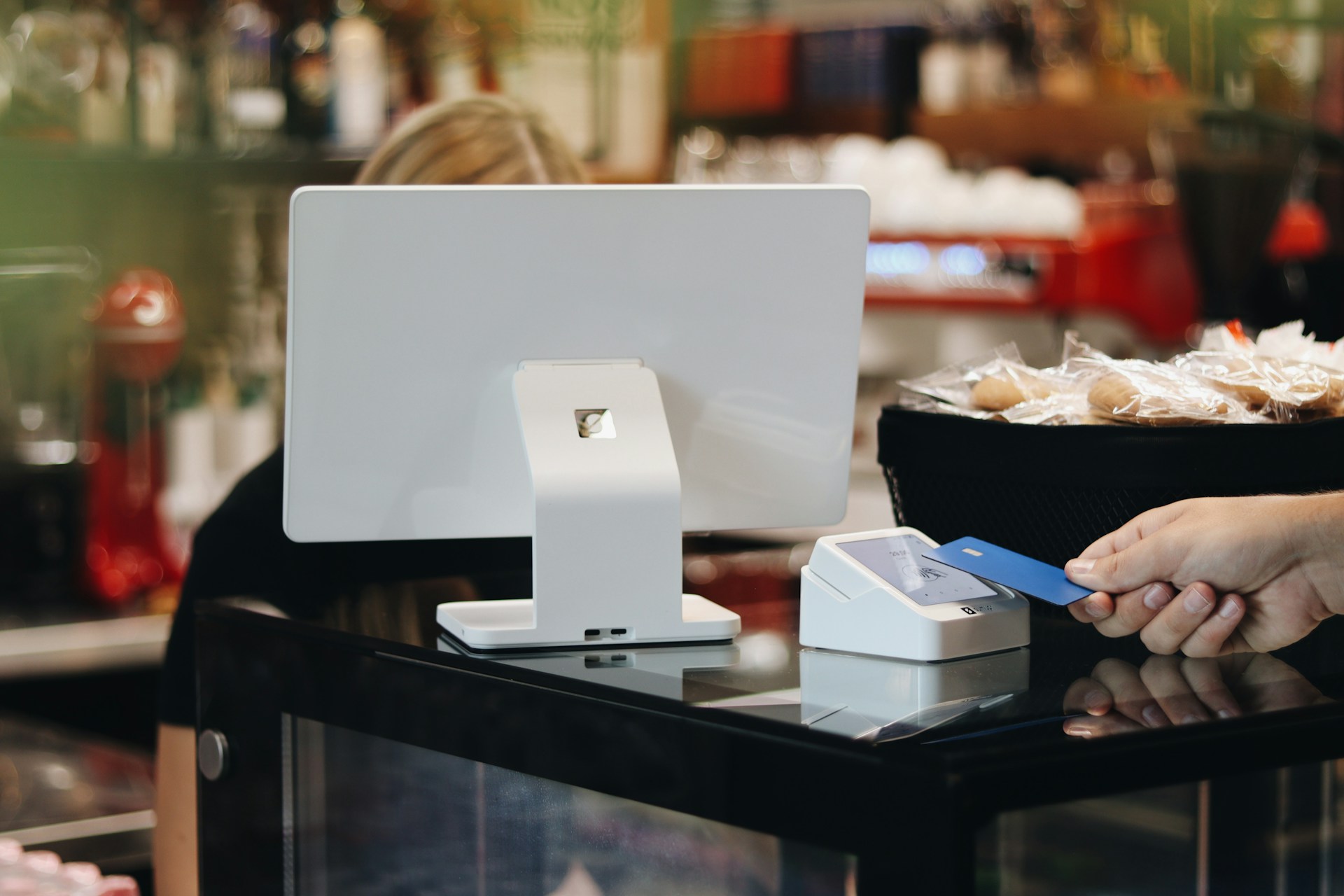
A customer pays in advance for work scheduled several weeks ahead. The money appears in the bank now, while the appointment, delivery or event sits in a separate diary. Without a shared reference, it is easy to lose the connection.
Keep a booking record showing the agreed work, total price, advance payment received and remaining balance. Include the date and payment reference so the amount can be matched to the bank or provider record.
Show changes in the booking
If the date moves or the scope changes, add a dated note rather than replacing the original arrangement without explanation. Keep the customer’s agreement and any revised documents together.
A cancellation or refund should be visible in the same record. Record what was agreed and what payment was made, then pass the documents to the person maintaining the accounts. The accounting treatment of an advance payment is a separate decision from the practical task of tracking the booking.
Check upcoming work against payments
Before the next week’s work begins, compare the diary with the booking records. Identify which customers have paid an advance, which balance remains to be requested and which payment is still unconfirmed.
For businesses with several people taking bookings, use one agreed status label for each stage. “Deposit requested” should not be confused with “deposit received”. Make it clear who changes the status after checking the payment.
When the job is complete, keep the final invoice and settlement record with the booking. That leaves one place to answer a later customer question about what was paid and when.