Creative businesses
Accounting for creative studios
A deposit can arrive weeks before a shoot, while editing and print costs come later. We help studios keep the figures for each commission together.
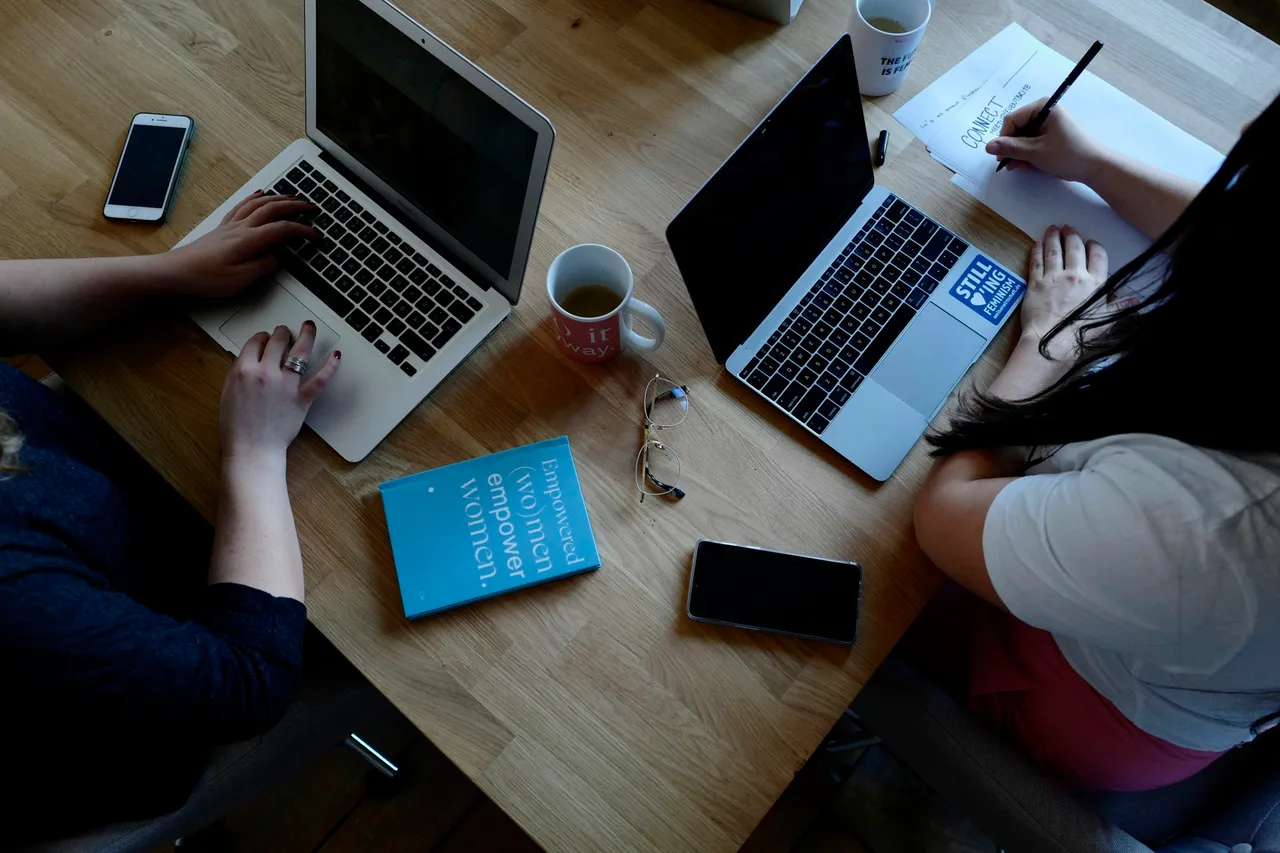
The furniture maker has booked two days in the studio. Twelve catalogue photographs are due at the end of the month. Before a single chair comes through the door, the producer has agreed a fee with the client, pencilled in an assistant and put a deposit on the lighting kit. The retoucher will send a bill several weeks later.
At that point the bank account tells only part of the story. Some of the booking payment is already spoken for. We help studios follow those commitments through a job, from the estimate the client signed to the last bill that comes in after delivery.
Start with the estimate that won the job
Keep the accepted estimate with the booking email and give the shoot a reference everyone can recognise. The producer can use it to book the assistant, the photographer can put it on the kit list and whoever raises the final invoice can find the right purchase order. It is especially useful when the same client books spring and autumn work under one company name.
Hire bills occasionally cover more than one job. If the studio hires two lighting kits and returns both on Friday, ask the person packing the van to mark which kit went to the furniture shoot. They can usually tell you on the spot. By the time the hire invoice arrives, the crew may be on a different set.
Six more pictures before the set comes down
On the second afternoon, the client asks for close-ups of six drawer handles. The furniture is still in position and the photographer can take the shots before the crew packs up. Each extra image will also need a selection, a retouch and a final export. The producer calls the retoucher while there is still time for the client to choose.
Say the client agrees an extra £300 by email. File that reply with the revised shot list and keep the original twelve-image estimate too. When the client’s accounts team queries the difference a fortnight later, the producer can forward the approval without asking the photographer to reconstruct the afternoon.
Show how much is left to pay
For a £2,400 commission with a £600 booking payment, the balance on the original brief is £1,800. The approved close-ups bring it to £2,100. On the final invoice the client can follow those three amounts back to the estimate, their payment and the email about the handles. Keeping all the figures on the same VAT basis makes that comparison straightforward.
Before sending the invoice, check the deposit actually reached the bank and that it belongs to this shoot. A regular client might have paid two booking invoices together. A remittance email listing both references can save the client a call and the studio a second round of paperwork.
What to carry into the next quote
When the retoucher’s bill arrives, sit down with the job sheet while the shoot is still fresh. Look at where the hours went. Shooting the six close-ups may have taken twenty minutes, while reopening the files for three separate rounds of client comments took most of an afternoon.
That gives the next producer something specific to change. They might price a further round of edits separately or ask one person at the client to collect everyone’s comments before the edit begins. Leave that note beside the estimate. It will be waiting when the furniture maker calls about the autumn catalogue.