A first ride into the mountains
The photograph at the top is only one small part of the outing.
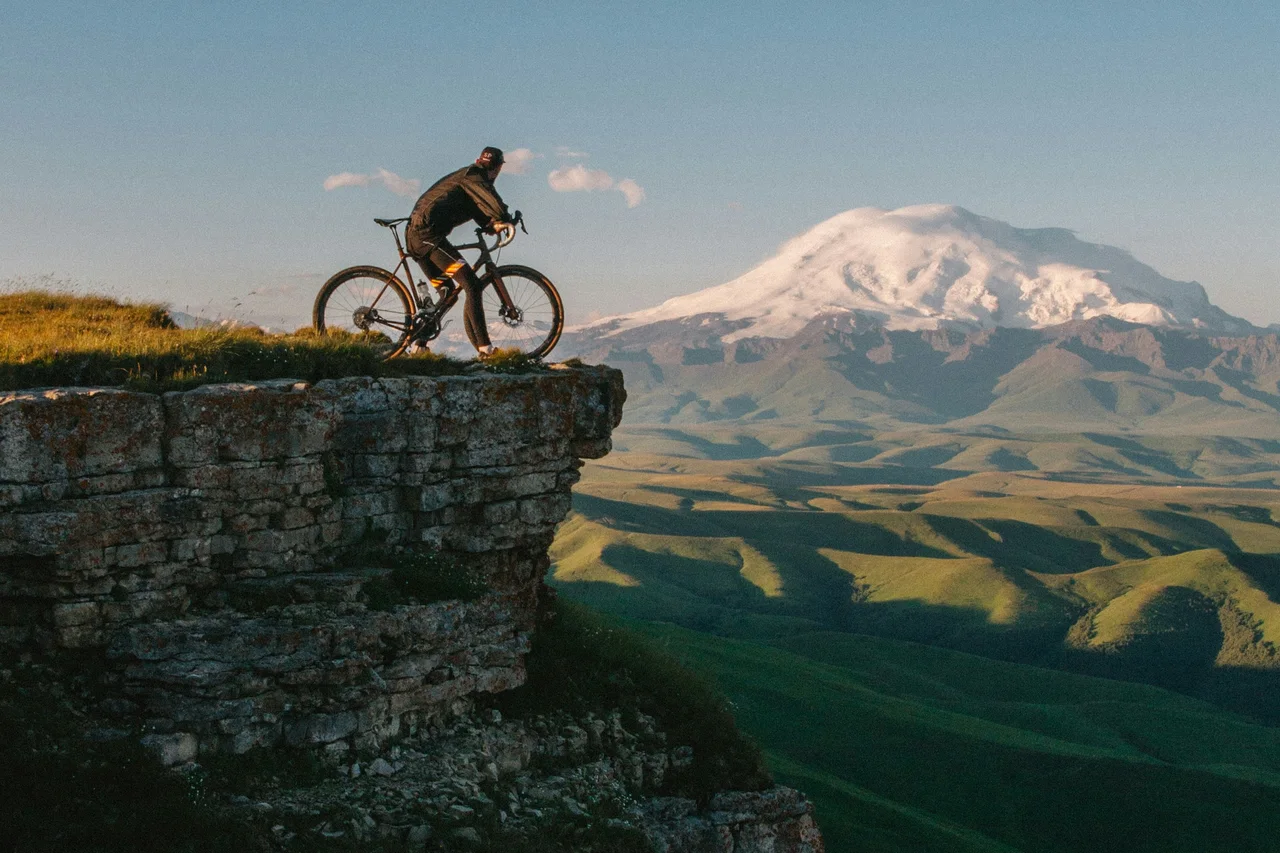
A bicycle resting against a wide mountain view makes a persuasive picture. It suggests distance travelled and the pleasure of stopping somewhere that took effort to reach. What the frame leaves out is the slower collection of decisions that made the day possible.
For an unfamiliar outing, keep the ambition modest enough to leave room for enjoying it. A route that suits your experience gives you more attention to spend on the surroundings. Local route information is more useful than trying to reconstruct a ride from someone else's photograph.
Pack for the pauses too
There is a tendency to think only about the moving part. Consider what will make stopping comfortable: somewhere to put the bike without obstructing a path, something to eat, and a layer you can reach without unpacking the entire bag.
A few practical details are worth deciding before leaving:
- Where the route begins and where you can turn back.
- How you will get home if the day changes.
- Which stops are part of the plan and which can stay optional.
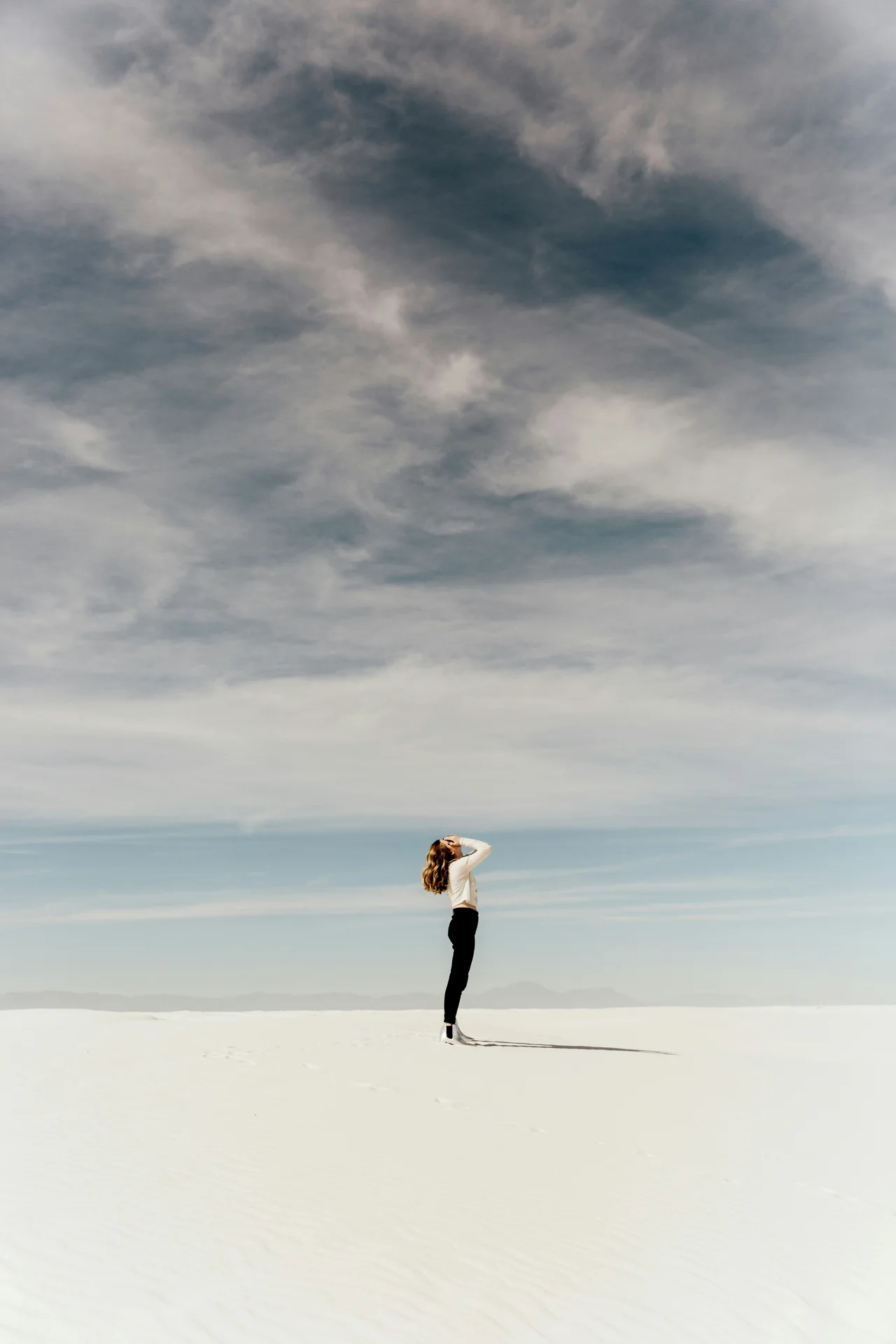
The view often becomes more interesting once the bicycle is out of the foreground. Look for the line of the ridge, the shape of a distant road, or a patch of light moving across the valley. Make one picture with the bike and one that belongs entirely to the landscape.
Finish with something left over
A first outing does not need to settle how far or how fast you can go. It can simply tell you what kind of riding you would like to do again. Notice which parts made you want to stop and which made you want to keep moving.
When you get home, make a short note while the details are still useful. A comfortable stop or an awkward junction is easier to remember now than when you begin planning the next ride.