A portrait with room for the wind
Cloth, colour and an open sky make a picture that cannot be held in one position.
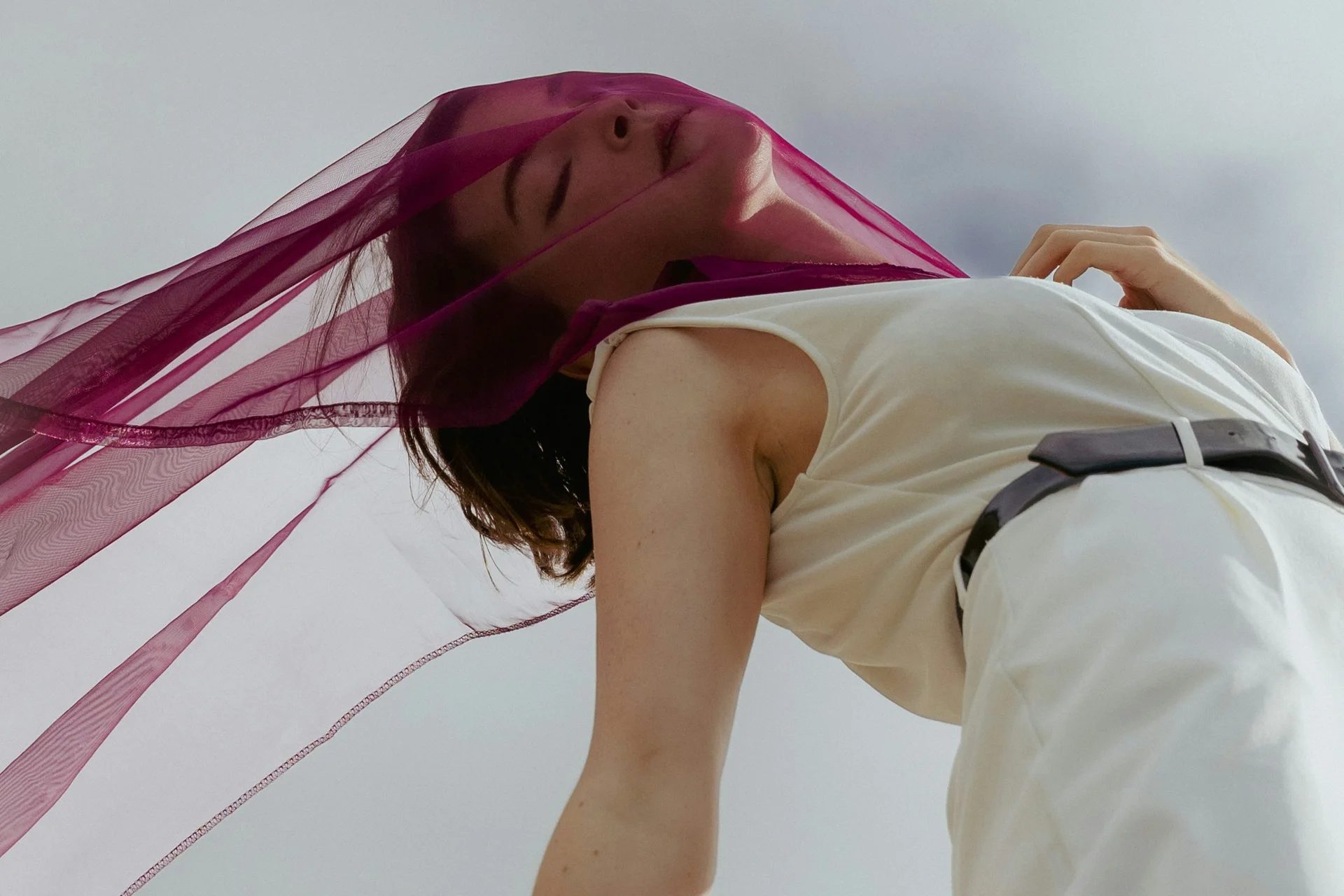
The fabric lifts away from the figure and changes the shape of the portrait. Pale cloth catches the light; pink adds a stronger edge against the sky. The camera looks upward, leaving the ground out of the picture and giving the movement room to spread.
It is a useful reminder that a portrait can begin with a material as well as a face. A scarf, a loose sleeve or the hem of a dress introduces another kind of gesture. Unlike a fixed pose, it will not stay exactly where you put it.
Agree on something simple
A moving picture is easier to make when the person in it knows what can change. Choose a comfortable position, explain where the edges of the frame are and let the fabric move within that space. Too many instructions can make a light gesture feel like a complicated exercise.
Keep checking in. Looking upward, holding an arm or repeating a movement becomes tiring sooner than it may appear from behind the camera. Short attempts with pauses between them leave more room for an unforced expression.
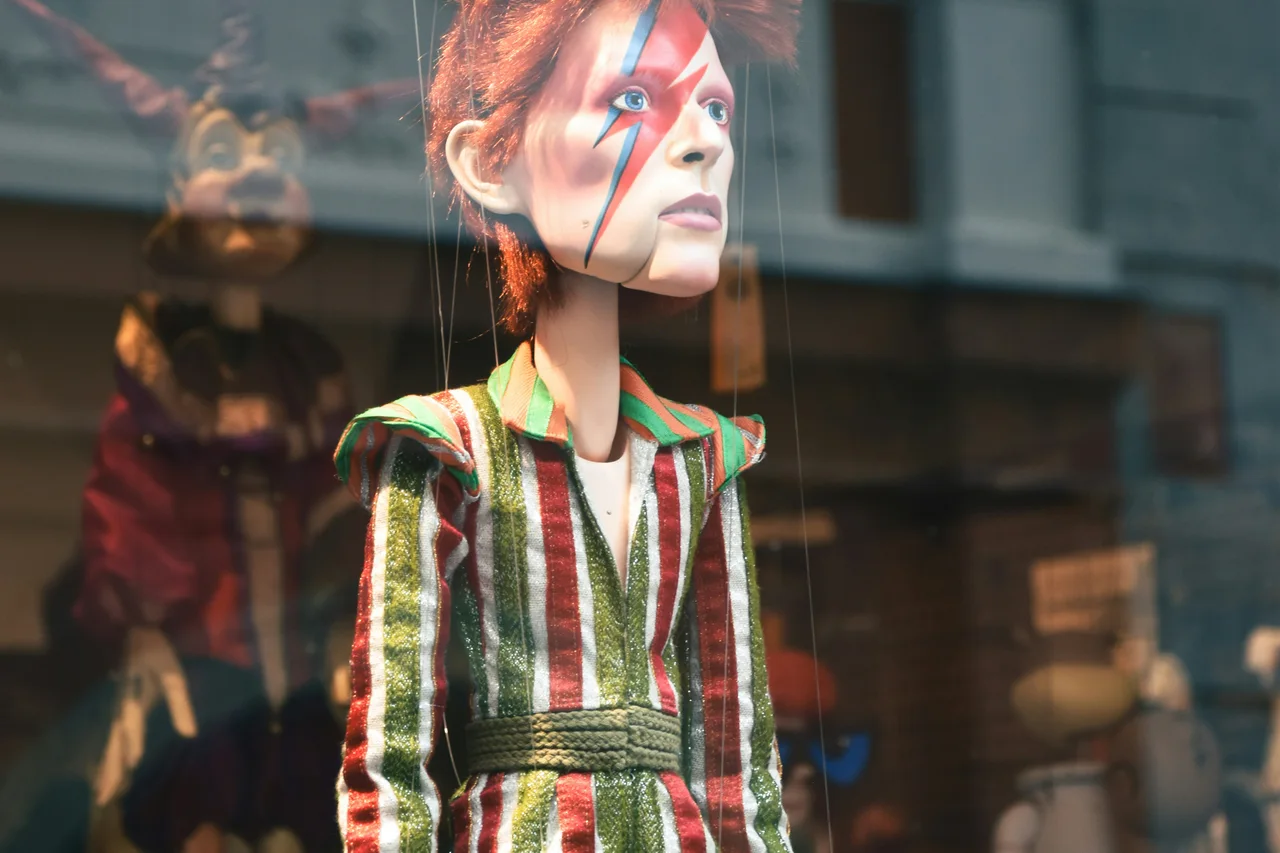
A window changes the scale of the exchange. The movement becomes smaller, and the surrounding frame gives the person a place to lean or rest. It is a useful alternative when the weather or the mood no longer suits the more open picture.
Leave enough room in the plan for the photograph to surprise both of you.
Choose a gesture, not just a shape
When reviewing the frames, look at the relationship between the fabric and the person. A spectacular fold may pull attention away from an expression that feels more interesting. The strongest image may be the one made just before or after the fullest movement.
Keep the colours close to what you remember. Pale fabric can lose its texture if it is pushed too bright, while an overly dark sky can make an easy moment feel theatrical. A restrained edit gives the cloth and the face a chance to belong to the same light.
The final picture only needs to hold one convincing instant. The wind can take care of making the next one different.