A morning out beyond the waves
From the shore, the waiting can be as absorbing as the ride.

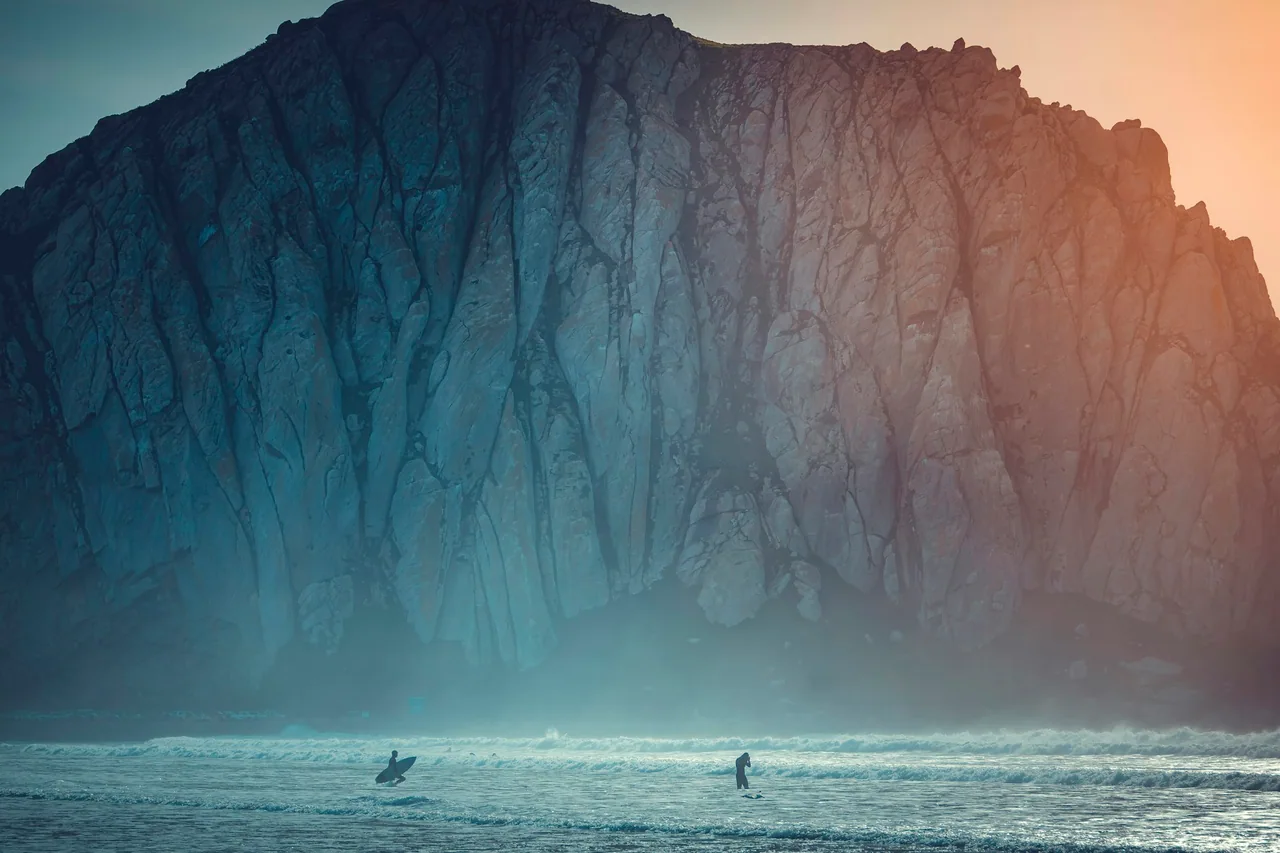
In a wide photograph of the sea, the surfers are almost punctuation. Their small figures give scale to the water and the immense face of rock behind them. Take them away and the scene might feel remote; leave them in and you begin looking for movement.
The shore offers its own way of following a morning on the water. Watch one part of the scene for a few minutes. A figure disappears behind a swell, returns, then drifts into another position. Much of what makes the view interesting happens between the more dramatic moments.
Give the water room
When making a photograph from the beach, it is easy to keep moving closer with the lens. Try a wider frame as well. The headland, the band of pale water and the distance between people can explain the scale more clearly than a close view of one person.
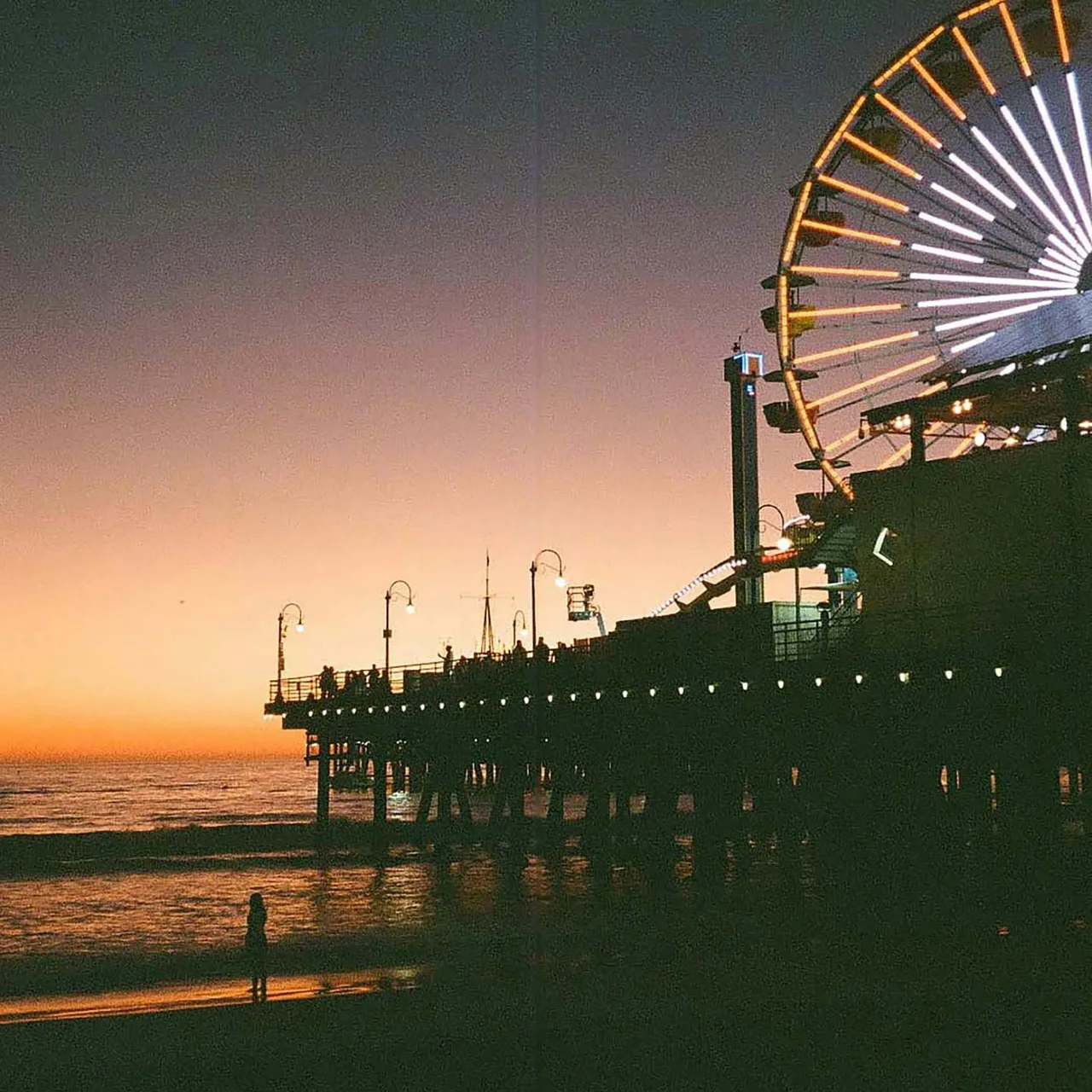
A simple horizon needs care. Check the edges before pressing the shutter, especially if there is a small figure close to one of them. A little more room can turn an accidental crop into a deliberate composition.
The beach also has details that belong to the story. A board resting on sand, a jacket folded beside a bag, or the line where wet stone becomes dry can provide a quieter companion to the main photograph.
Keep a small sequence
Choose a few pictures that show different parts of the morning. Repeated versions of the same wave rarely add much. A broad opening image followed by a modest detail can bring the viewer closer without asking each photograph to be spectacular.
Leave the strongest view with some space around it on the page. The water already contains plenty of movement. A short caption and a little blank paper give it somewhere to settle.