What a slower journey taught me
A route becomes more interesting when there is room to stop looking at the route.
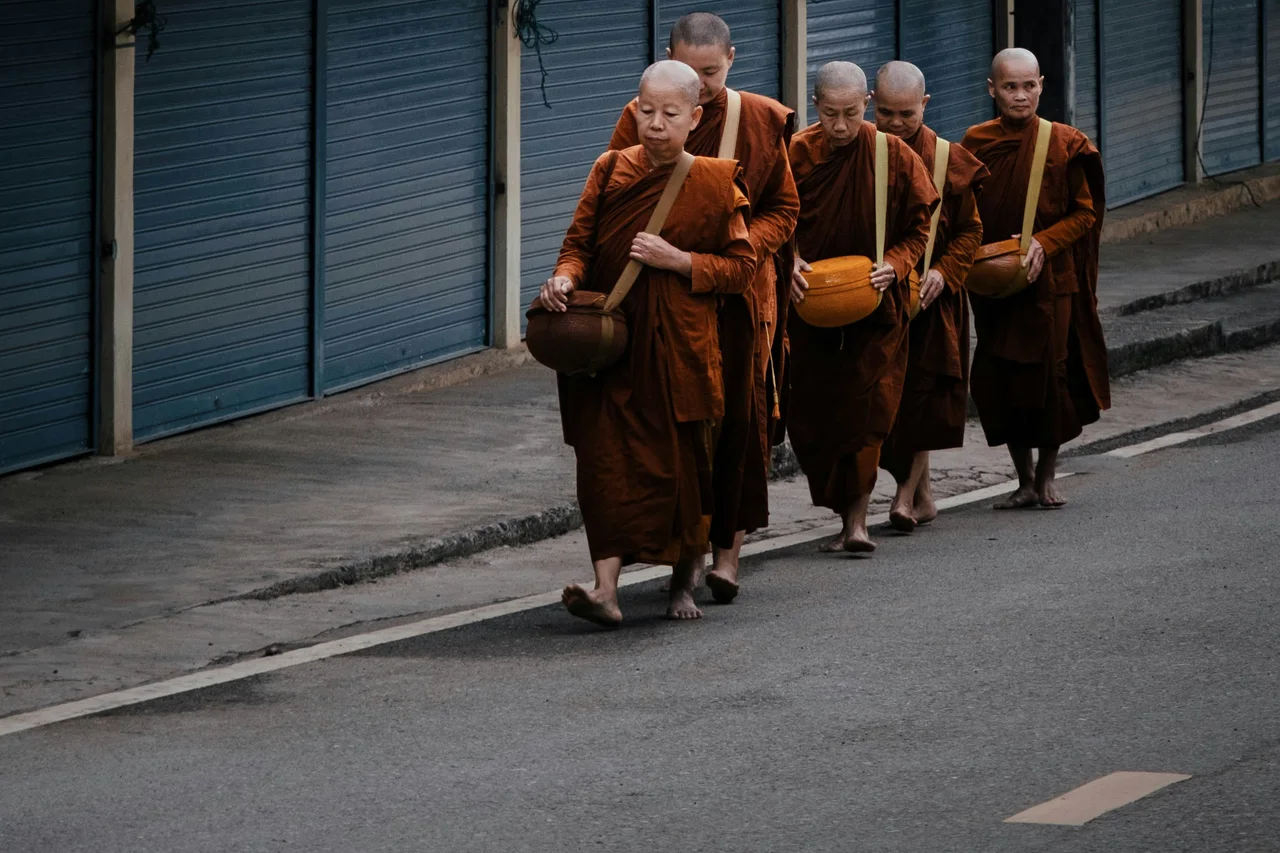
The photograph follows a group walking beside wooden buildings. Their clothing provides a strong patch of colour, but the path and the long facade matter just as much. Together they give the scene a direction without telling us where the people are going.
It is easy to look at a travel picture and immediately ask for a location. Sometimes the more useful question is what made the photographer stop. Here, the answer might be the repeated posts of the building, the spacing between figures, or the way the path carries them toward the edge of the frame.
A slower journey creates more opportunities for that kind of pause. You can notice something, walk past it, then turn around because it remains in your mind. A tight itinerary leaves less room for the second look.
Leave a gap between destinations
When planning a day, allow for the parts that do not have names on the map. Buying something to drink, waiting for a crossing and finding a comfortable place to sit all take time. Treating them as part of the journey makes the schedule easier to live with.
Keep notes small. A colour, a sound or the shape of a doorway may be enough to bring a place back later. Writing down every detail can become another way of missing what is happening beside you.
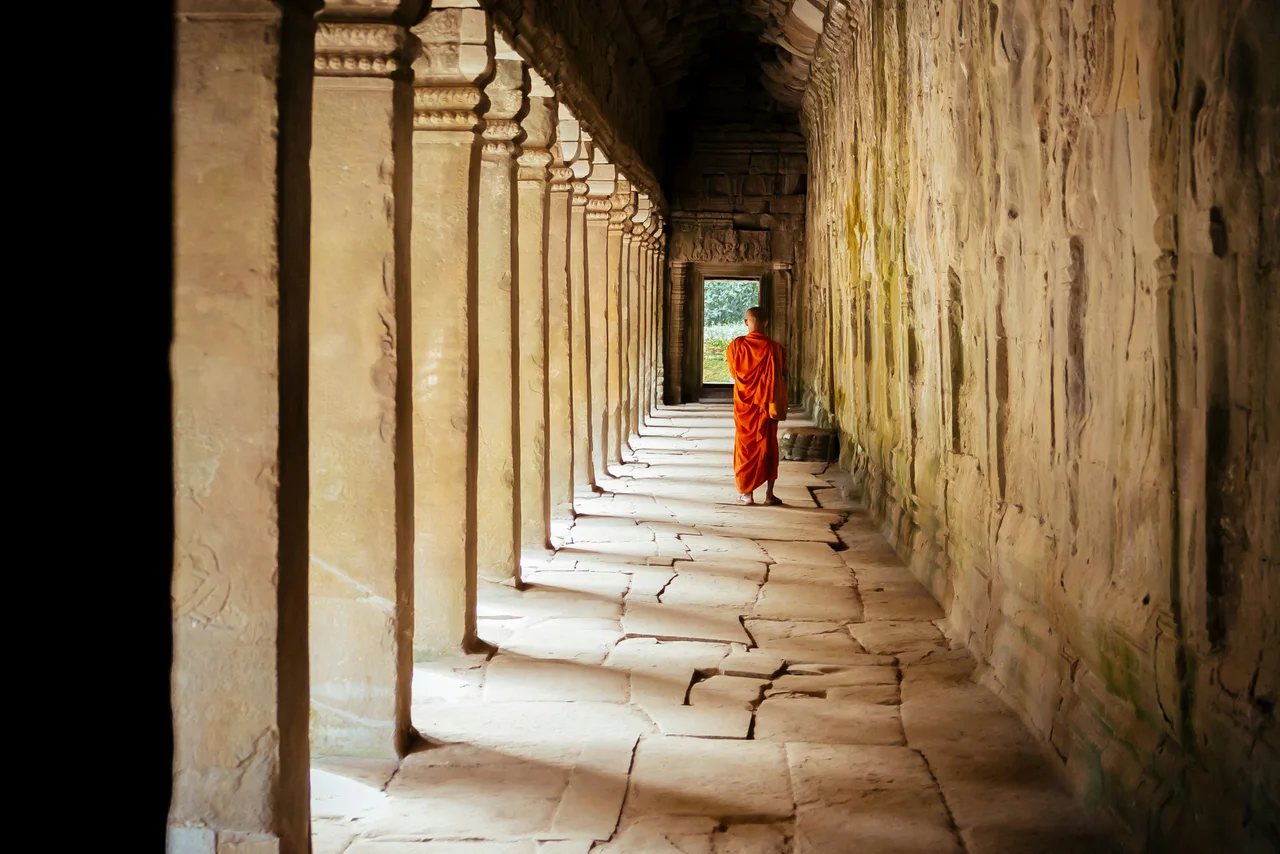
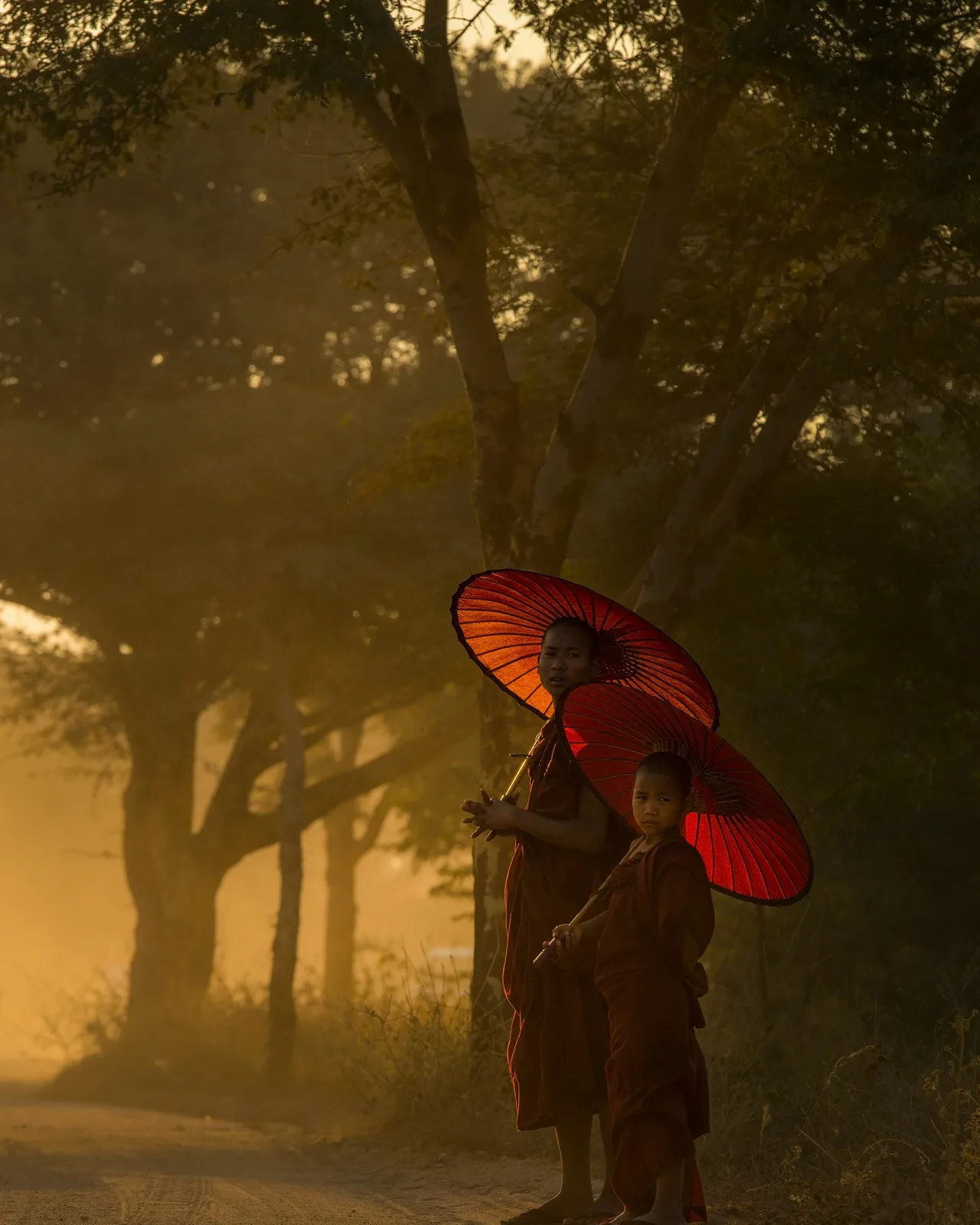
The two photographs above have very different kinds of light. One uses repeated stone openings; the other lets the trees break the sun into patches. Both reward an eye willing to follow a path through the picture.
When choosing what to remember from a journey, include one ordinary stop. It may be the image that explains the day most clearly after the famous views have begun to resemble the photographs everyone else brought home.