Life on the other side of the dunes
A small figure can change the way an enormous landscape reads.

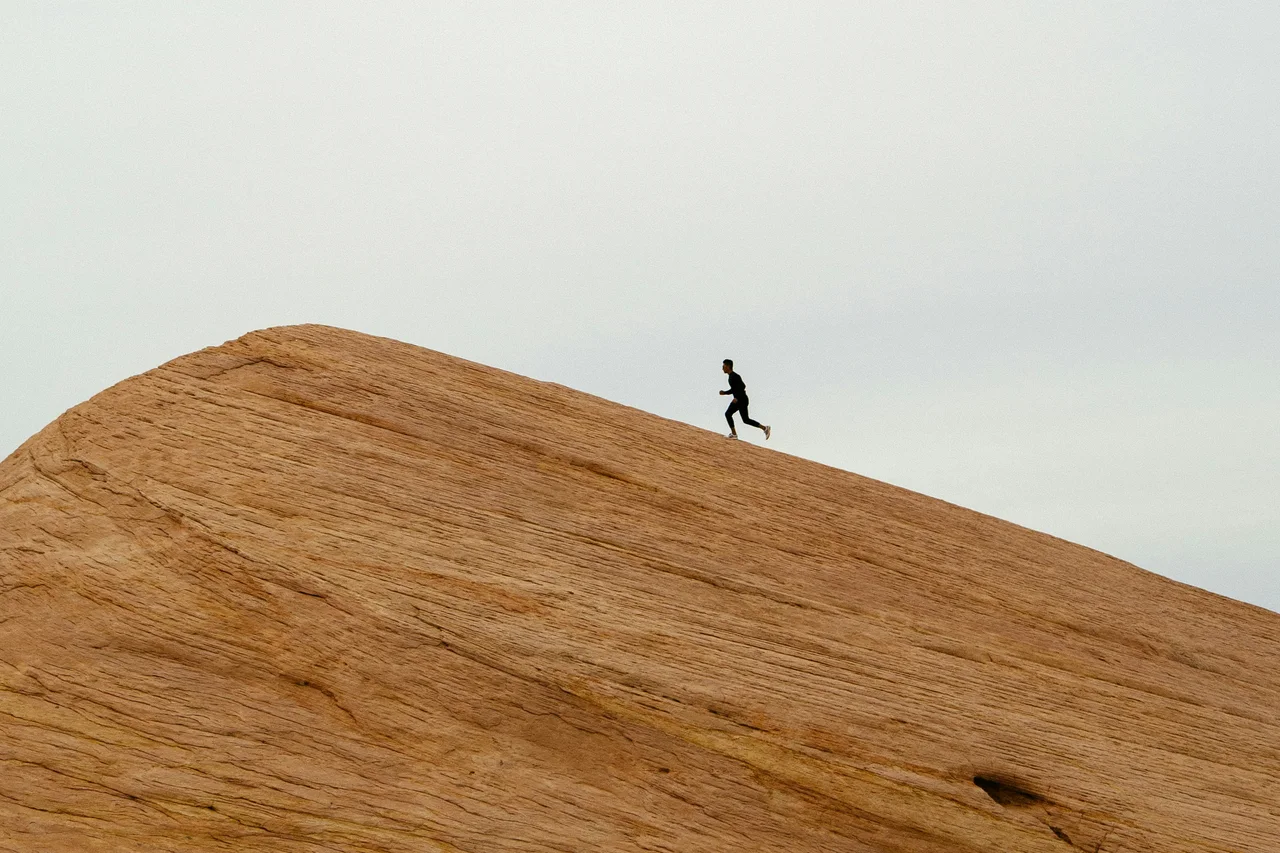
At first the photograph seems to be made almost entirely of sand. There is a pale slope, a darker ridge and a figure small enough to miss on a quick glance. Once you notice the person, the distances begin to make sense. The ridge becomes somewhere a body can walk, rather than an abstract line.
That relationship between a person and a large space is worth keeping in mind when choosing photographs. A closer frame might explain the person's expression, but it would lose the scale that makes this view distinctive.
Read the lines
The crest of the dune carries the eye through the frame. Light describes one side and leaves the other comparatively quiet. There is very little colour information, so the picture depends on the difference between surfaces and on where the small figure sits among them.
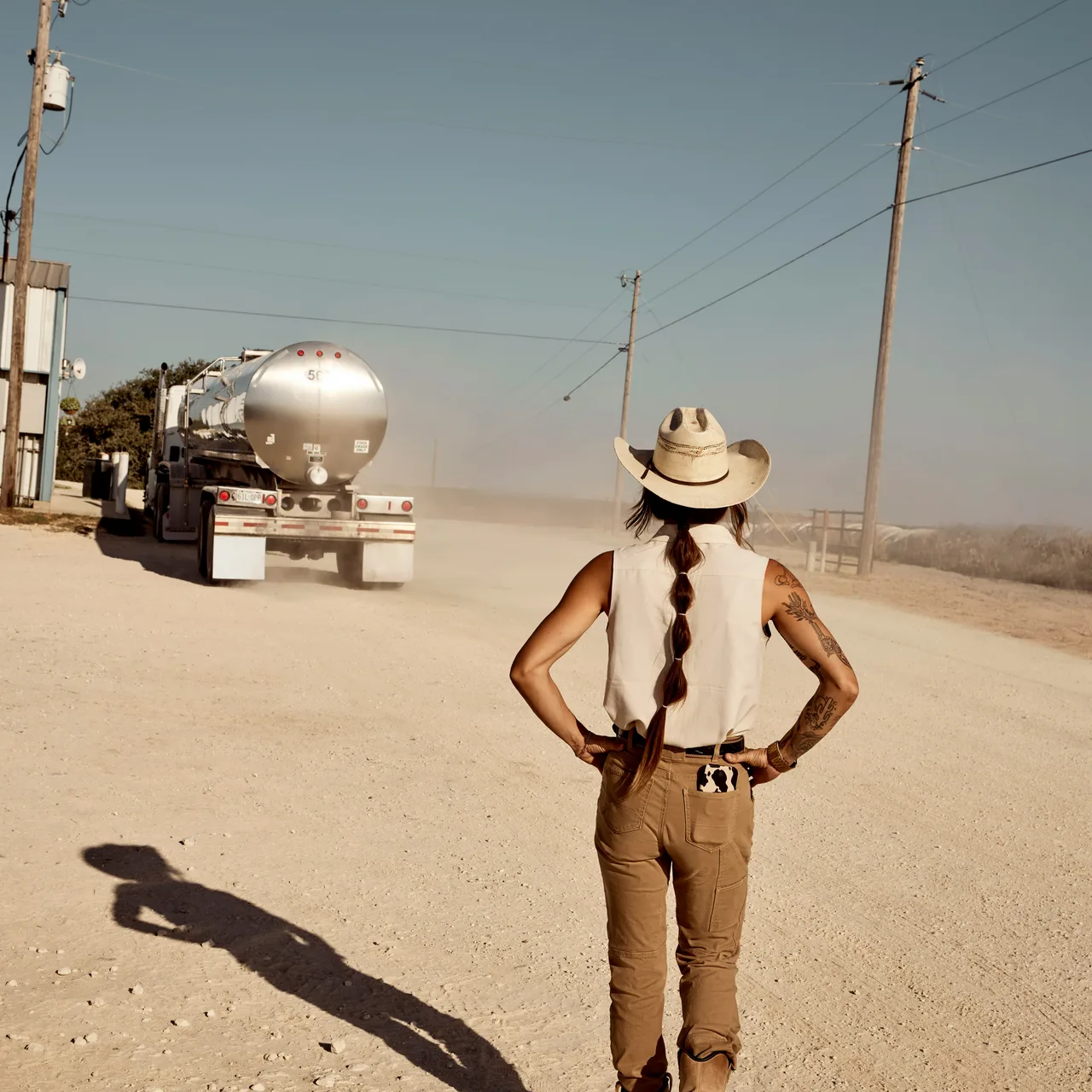
Compare it with a road disappearing into dust. Both images give a sense of distance, but they do it differently. The dune is clean and almost graphic. The road contains interruption and movement. Placing them together can make the first feel even stiller.
Scale becomes easier to feel when there is something ordinary to measure it against.
Let the picture stay spare
An image like this does not need a crowded page. A short introduction can establish what the reader is looking at, and a caption can identify the visible subject without pretending to know what the person was thinking.
Avoid adding a dramatic story that the photograph cannot support. The figure may be tired, delighted or simply walking to meet someone outside the frame. The distance itself is enough to hold attention.
Return to the small shape after looking at the whole landscape. It is remarkable how much of the photograph's meaning rests on that modest interruption in the sand.