An afternoon, unposed
A comfortable place to sit can do more for a portrait than another instruction.
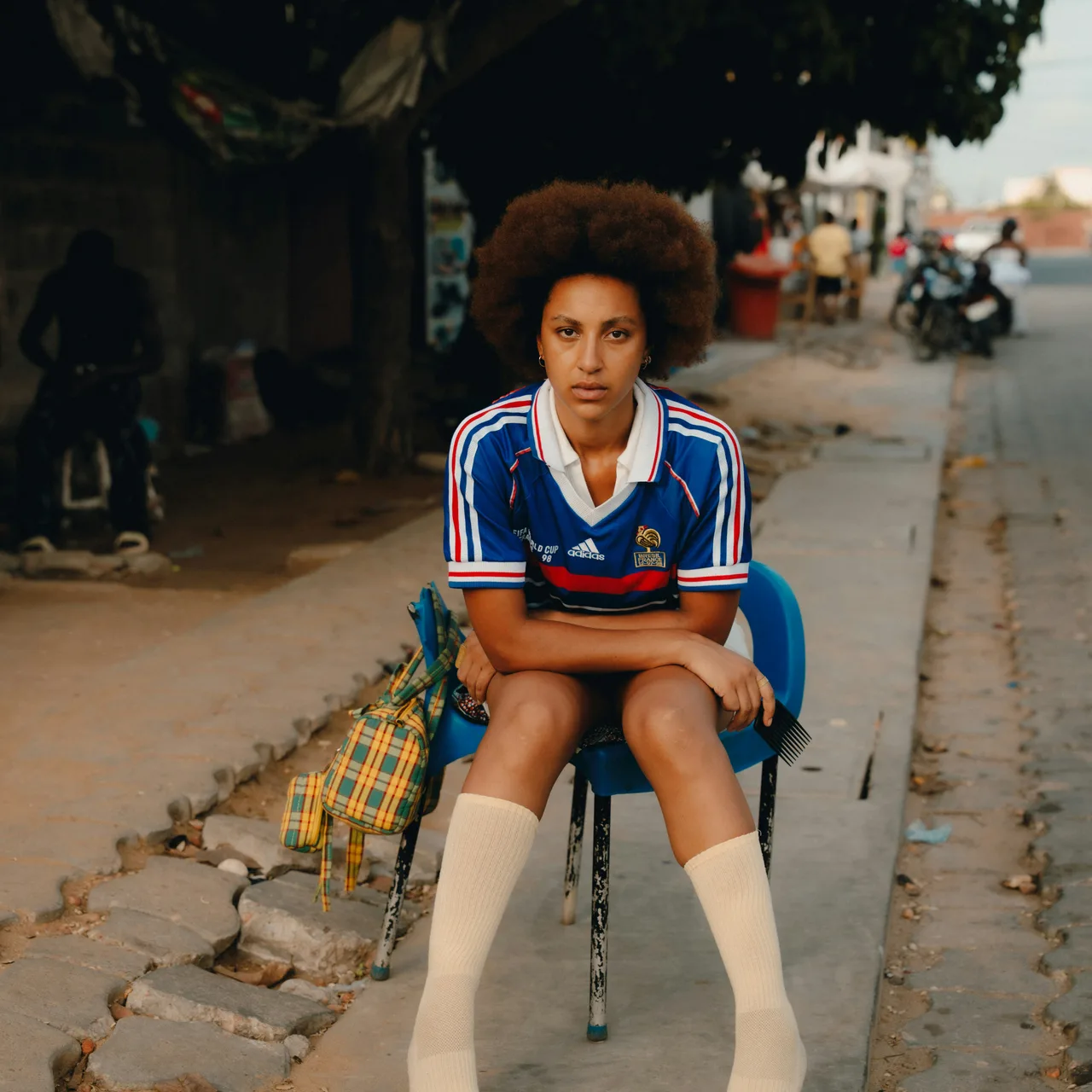
The portrait begins with a person sitting beside a cobbled street. The blue shirt gives the image a clear colour, while the uneven ground and ordinary surroundings keep it connected to a particular place. There is no elaborate arrangement to explain.
A location like this can make a portrait session easier. The person has somewhere to rest their hands and a reason to look in different directions. A passing conversation may provide more natural changes of expression than repeated requests to smile.
Start by talking about something other than the photograph. Keep the camera low while you listen, then ask before making a few frames. The gaps between photographs matter. They give both people time to notice whether the situation still feels comfortable.
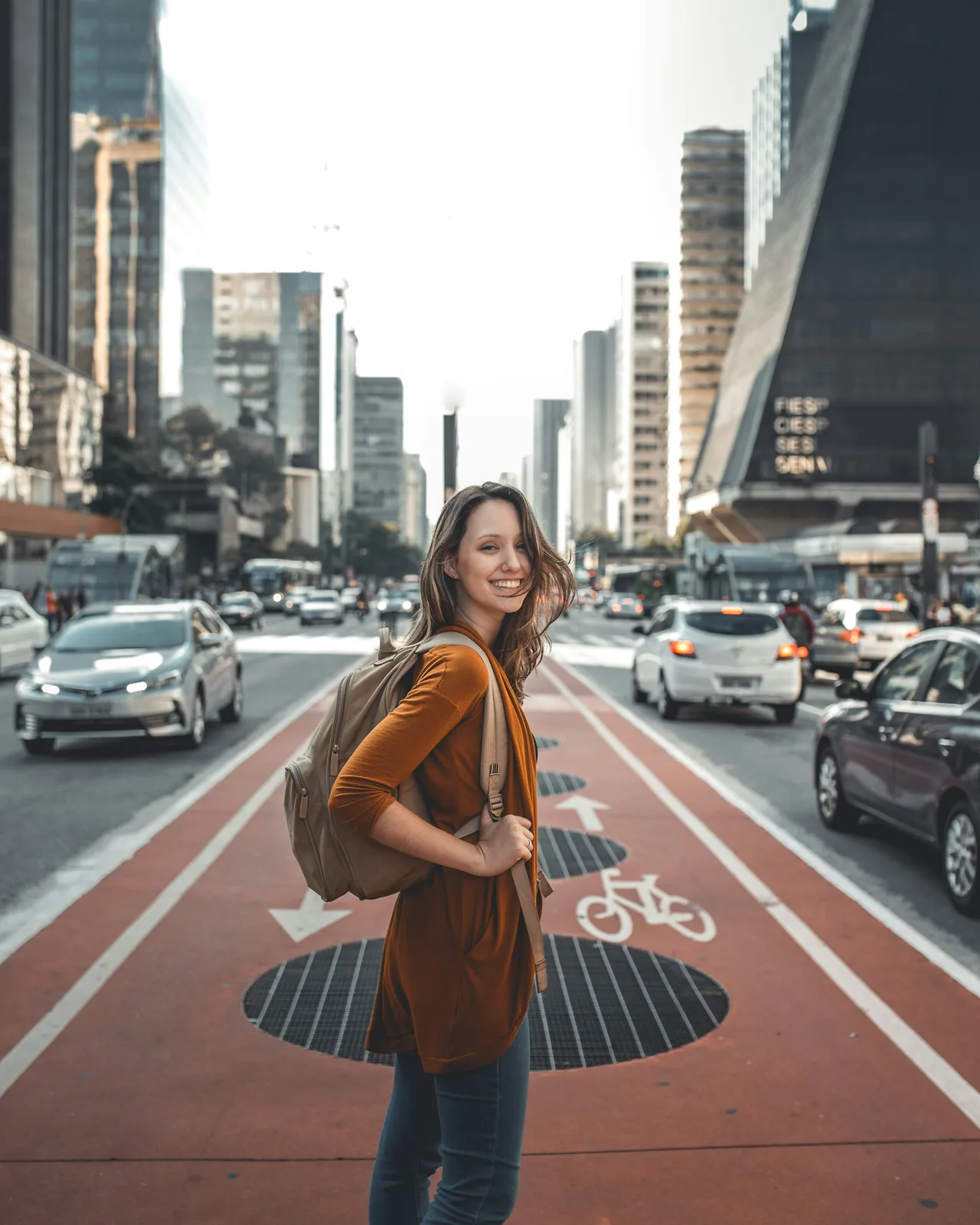
Allow the setting to remain
Before moving a chair or asking someone to stand elsewhere, look at what the surroundings contribute. A doorway, a worn wall or the edge of a pavement can give the portrait a useful sense of place. Tidying every detail may remove the reason you liked the spot.
Check the background for shapes that collide awkwardly with the head or shoulders. A small change in your own position may solve the problem without moving the person at all.
A portrait can feel relaxed when the person has room to be occupied by something beyond the camera.
Show a few photographs before finishing. Ask which expressions feel familiar and which do not. People recognize different things in pictures of themselves, and that response is worth hearing before making the final selection.
Keep one frame with a little space around the figure. A close portrait may show the expression more clearly, but the wider image can remember the afternoon: the place where you sat, the clothes someone wore, and the ordinary street carrying on around you.