Finding your rhythm in the water
Some afternoons are easier to remember by their pace than by what happened.

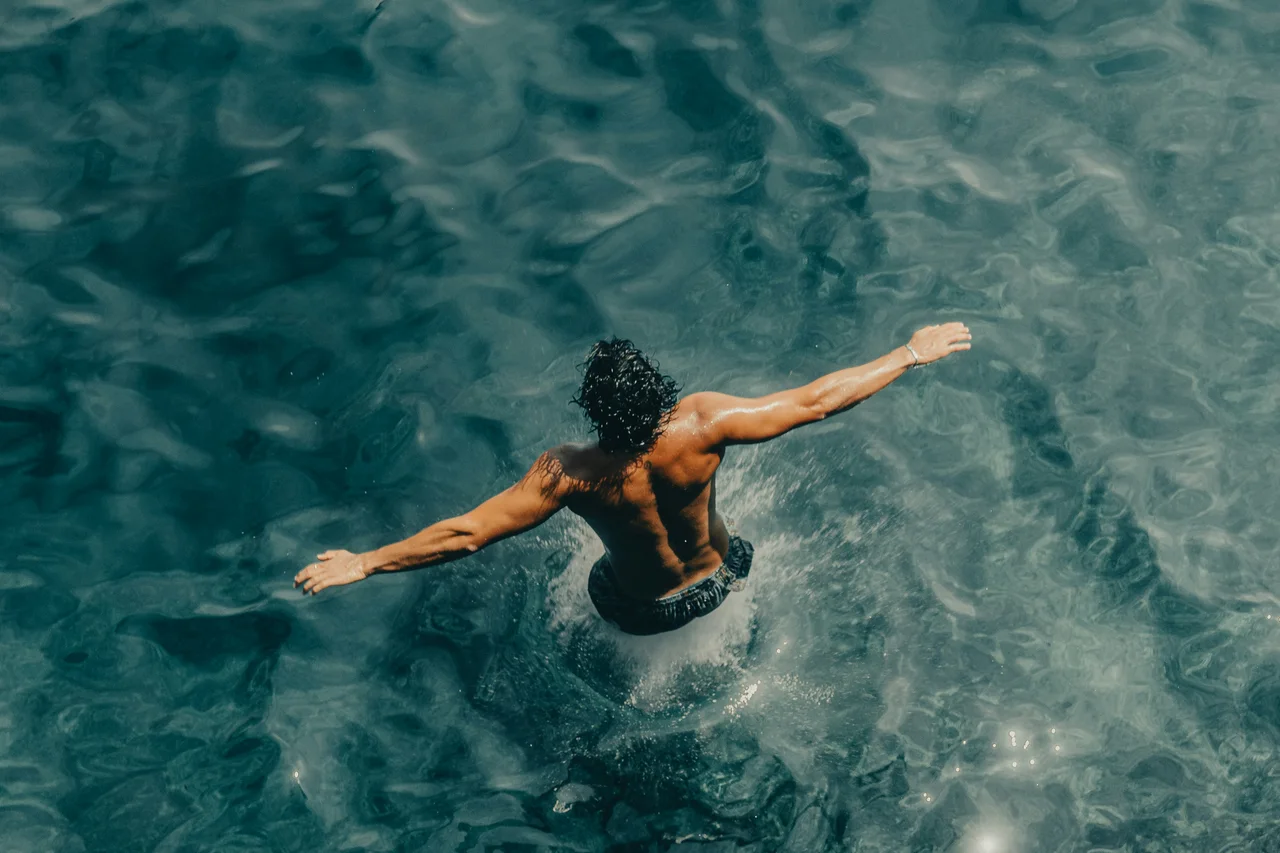
The blue in a swimming photograph is never just blue. There are pale patches where sunlight reaches the bottom, deeper strips between the ripples, and a moving outline around the swimmer. The body belongs to the pattern for a moment, then changes it with the next stroke.
That is part of the appeal of an afternoon by the water. Familiar measures of time become less useful. A conversation pauses while someone swims away. A towel dries. The shade moves across the edge of the pool, and eventually it is time to move the chairs.
Leave some of the afternoon empty
There is no need to make a day like this carry a long list of plans. Bring something to read, then accept that you might read only a few pages. Choose a comfortable place to sit where you can watch the surface change. The interruption is often more interesting than the book.
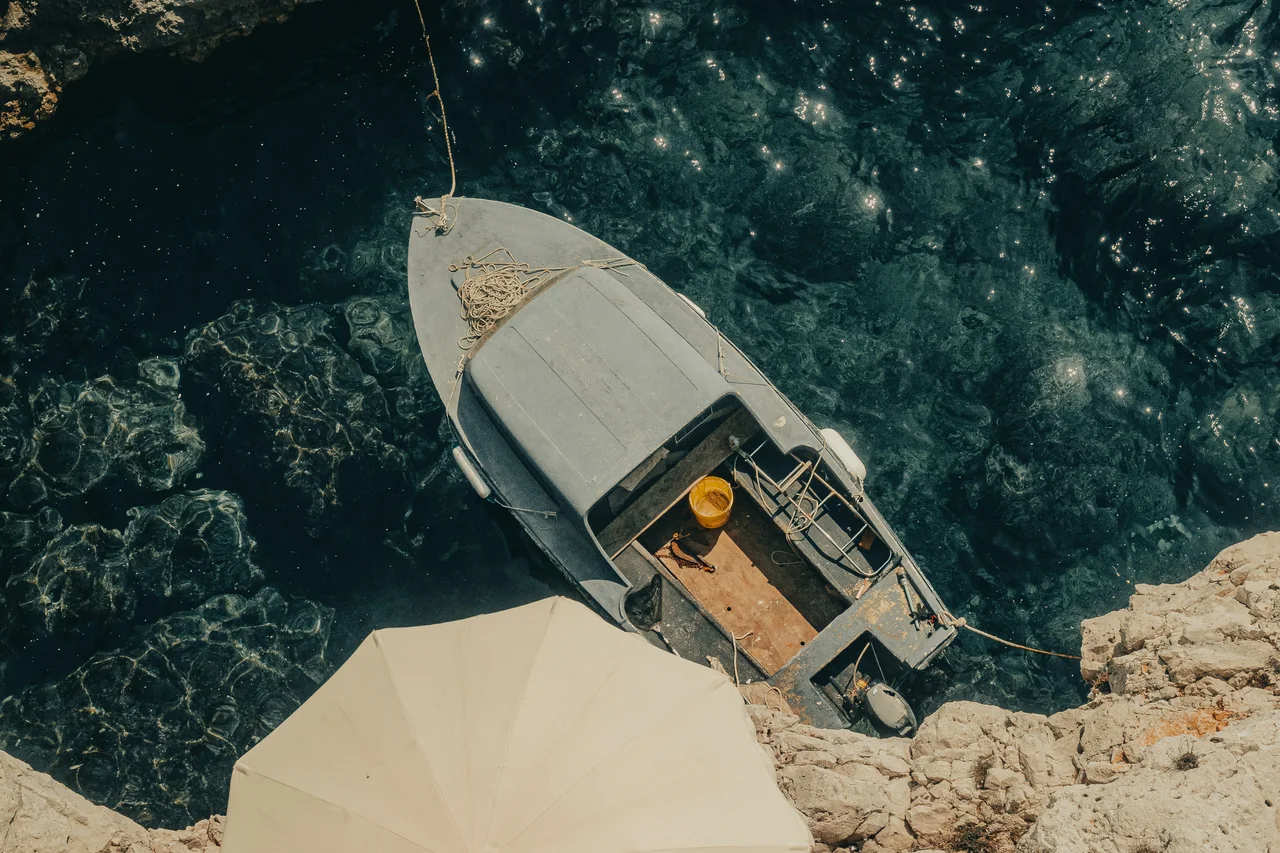
The best photographs can come from the pauses around swimming: a hand resting on a towel, sandals left in a neat pair, wet footprints fading on stone. Ask before including someone in a close photograph. A relaxed afternoon is more valuable than a picture obtained by making another person uncomfortable.
There is room for a day whose main event is staying a little longer.
When the light changes
Later, the surface loses some of its bright detail and begins reflecting what stands above it. The scene can look entirely different without anyone having moved their chair. Make another photograph if you feel like it, but resist the urge to turn every change into a task.
Pack slowly enough to check under the chairs. Fold the towel loosely, finish the last page, and leave the rest of the afternoon in the photograph. It will still be there when the week becomes busy again.