The pleasure of starting to paint
A limited palette makes the first blank sheet feel a little less demanding.

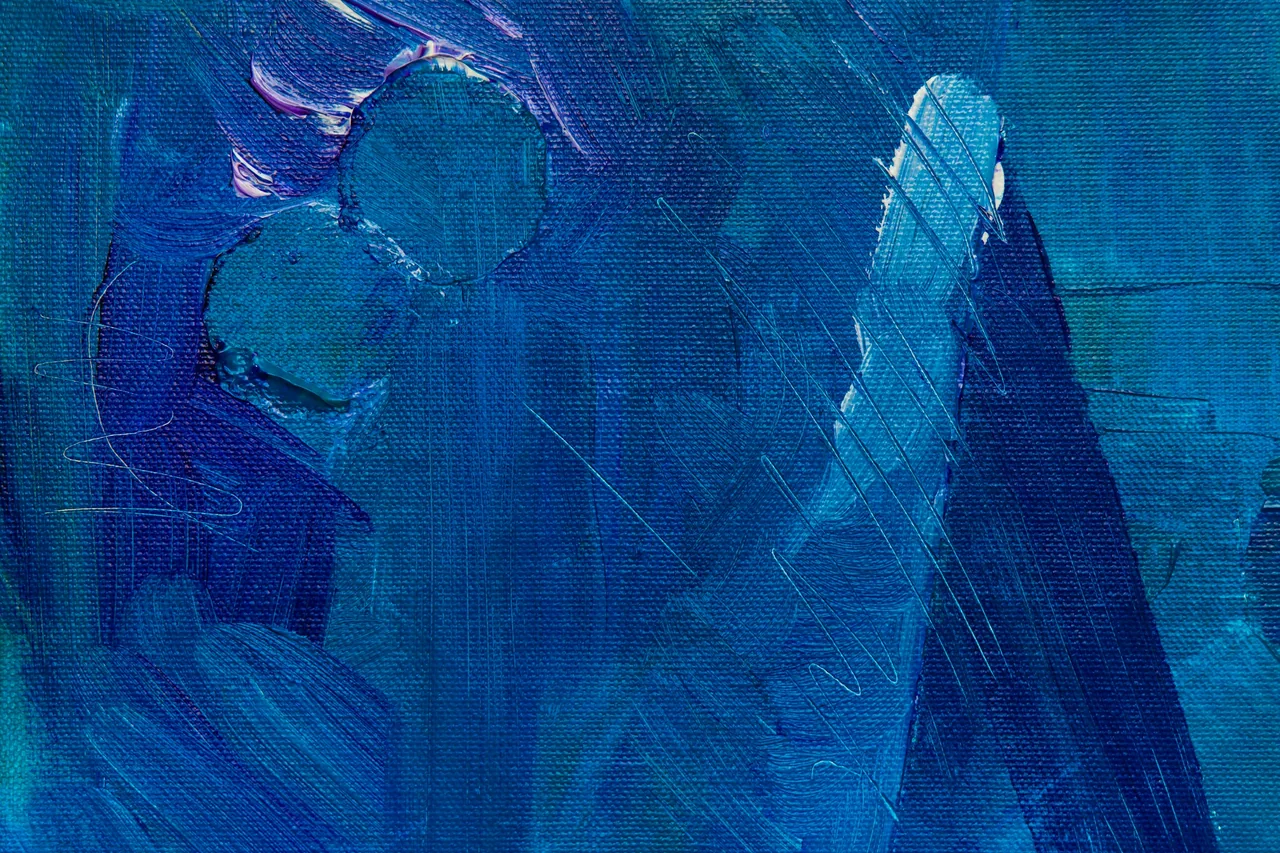
Put a piece of fruit on the table, or use the mug that is already there. A familiar object is a useful beginning because you can spend your attention on the marks rather than searching for a subject worthy of painting. Ordinary things tolerate being painted badly.
Choose a few colours and a sheet you are willing to use up. An expensive surface can make every decision feel permanent. Small studies leave room to find out what happens when two colours meet or when a brush carries more water than you intended.
Begin with the largest shape
Look for the broad patches before the details. Where does the object end and its shadow begin? Which part is lightest? A few loose shapes can tell you more about those relationships than an early attempt to draw every edge accurately.
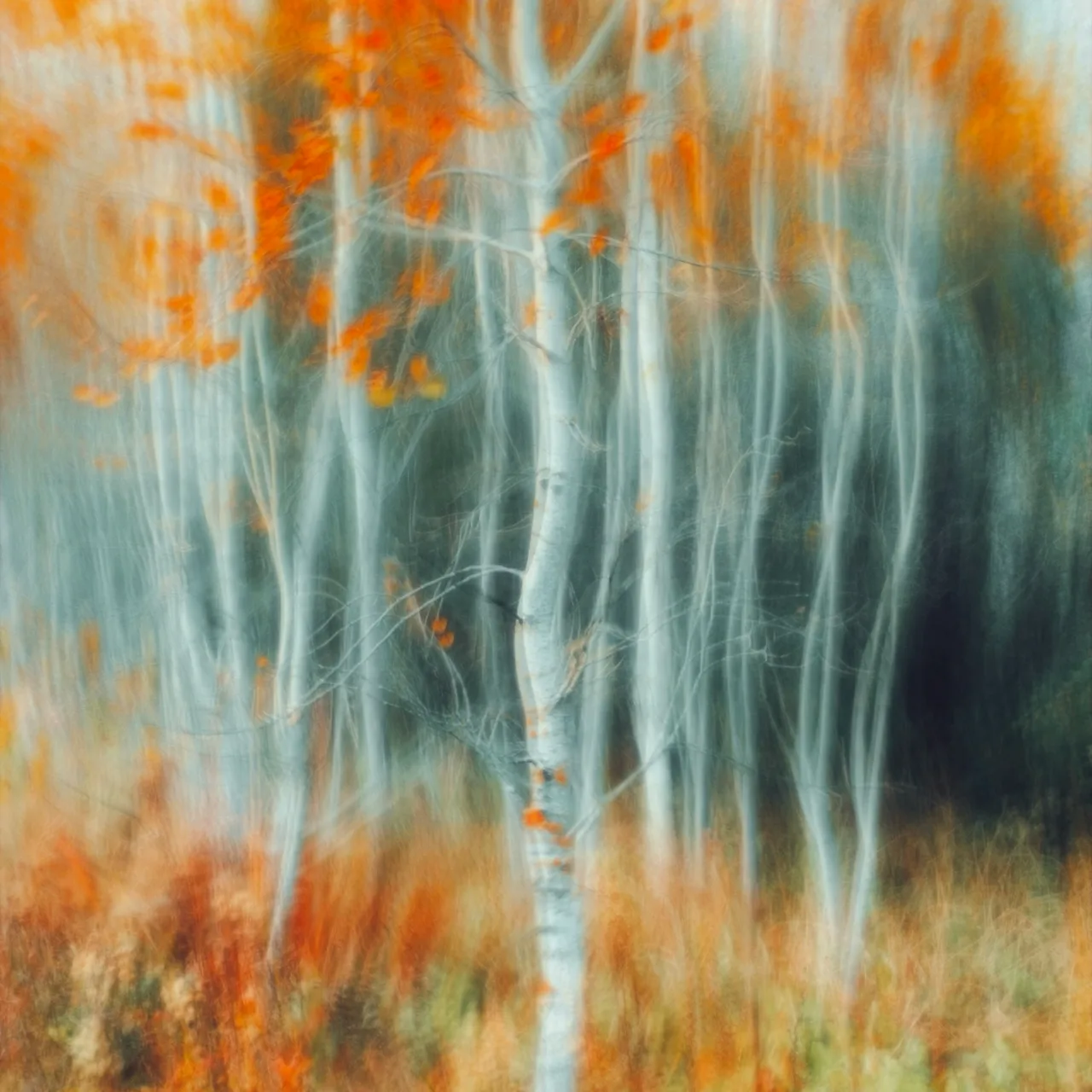
The blurred woodland photograph offers a useful way to think about this. You can recognize the feeling of trees without counting branches. A painting can also leave some things unresolved and still be specific about colour, direction and light.
If a passage becomes muddy, put the sheet aside for a while. Starting a second small version can be more useful than repeatedly working the same spot. You have already learned something about the arrangement, even if the first attempt looks uncertain.
Keep the early sheets
Write the date on the back and keep a few experiments together. They make an honest record of the decisions you were trying to understand. A patch of colour that seemed unsuccessful in one painting might suggest the beginning of another.
Leave the materials somewhere easy to reach if you can. The next session is more likely to happen when it begins with filling a jar of water instead of searching the cupboard for every brush. End by choosing what you would like to paint next.