No hurry to get there
A useful plan leaves some room between the places on the map.
A route can look wonderfully simple on a screen. A line joins two points, a time appears beside it, and the journey becomes a number that seems settled before you leave. Then you find a place to stop, take a wrong turn or decide that lunch deserves longer than expected.
That extra time is often the part of the day you remember. It is worth leaving some of it unassigned from the start.
Choose fewer stops
Pick the one place you most want to reach and let the rest remain optional. A long list gives every pause a cost. With a shorter one, you can stop because a view is interesting rather than because it was recommended in advance.
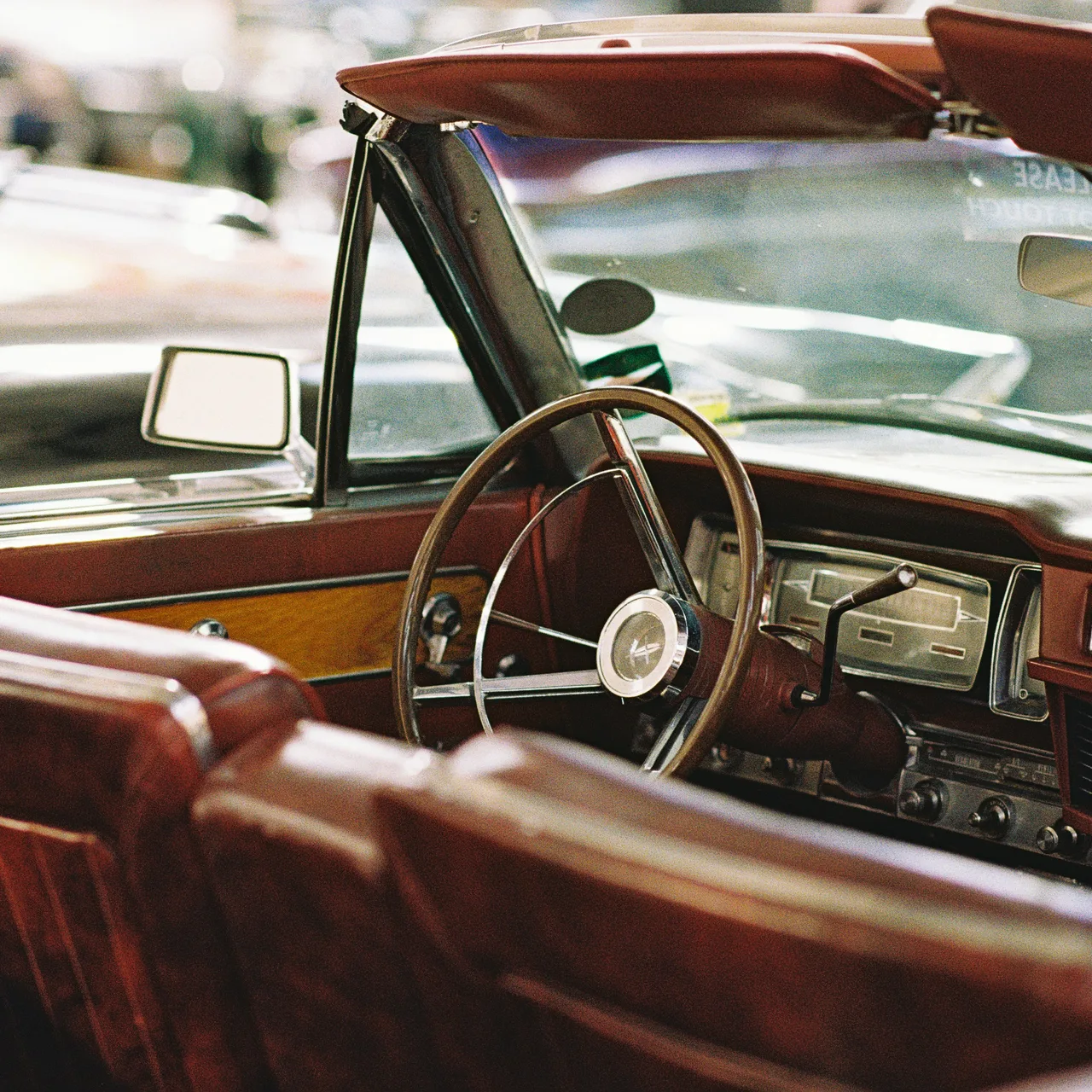
The photograph of the car draws attention to the journey itself: the worn surfaces, the steering wheel and the small space from which the road is seen. Those details make the vehicle feel inhabited. A travel album can hold a few of them alongside the wider views.
Three things are useful to decide before setting off:
- Where the day needs to end.
- Which stop matters most.
- How much time can remain unplanned.
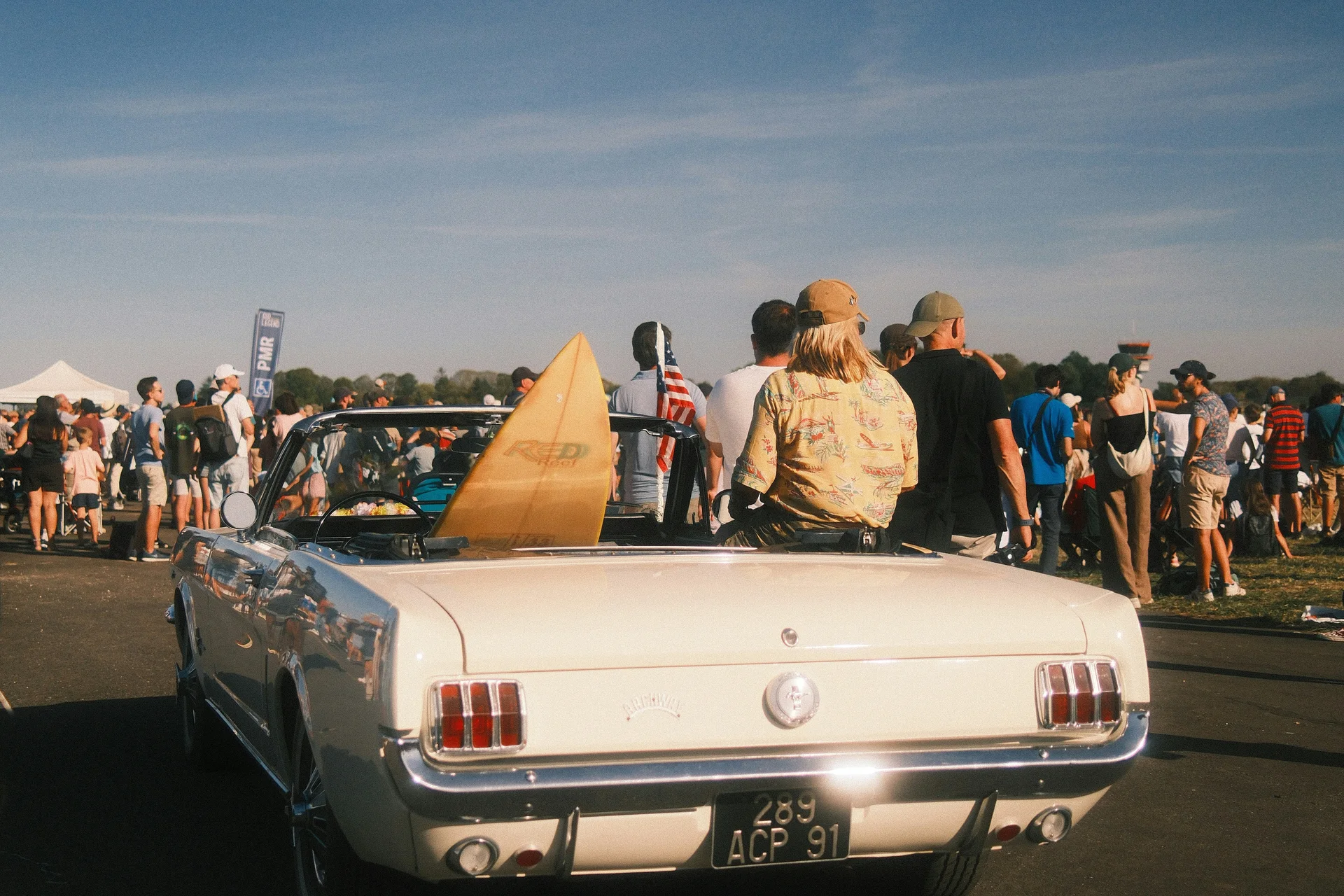
Everything else can respond to the weather, the road and the people travelling with you. Someone may want to walk; someone else may have seen a place for coffee. A good route has enough slack to accommodate both.
When you arrive, resist the urge to grade the day against the original plan. A missed turn may have been inconvenient, and a long lunch may have been exactly right. The destination tells you where the journey finished. It says very little about whether the time between was worth having.