When the city lights come on
There is a short interval when the street and the sky share the same brightness.
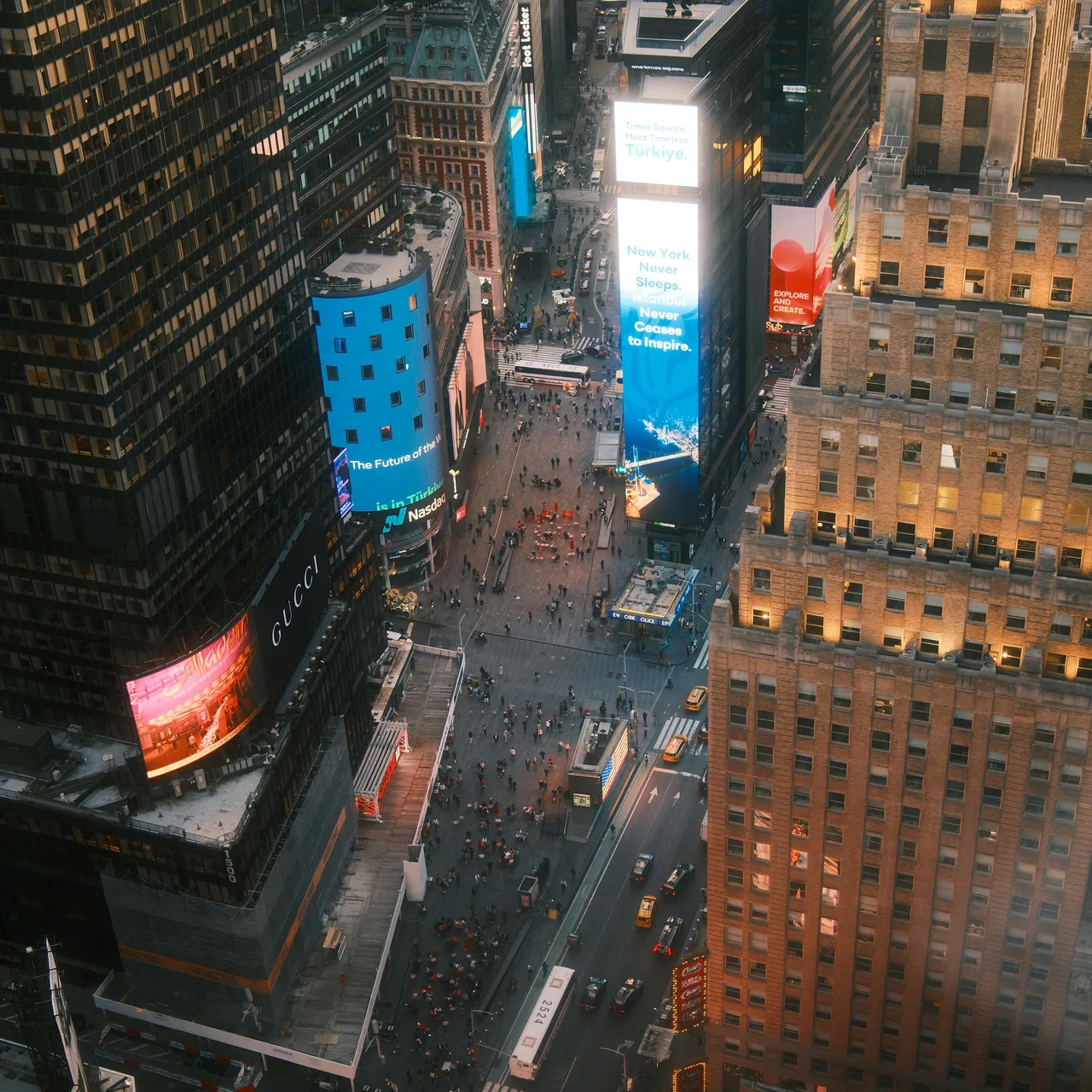
The signs are already bright, but the sky has not disappeared. Buildings still have edges and the street keeps some of its colour. For a little while, the city looks lit from several directions at once.
After dark, illuminated signs can take over a photograph. In the earlier interval, there is more balance. You can include the buildings around them without losing their shapes, and people on the pavement remain part of a recognisable place rather than silhouettes between glowing rectangles.
Arrive before the picture
Choose a position while there is still enough light to see the surroundings clearly. Check what enters the frame at its edges and where you can stand without obstructing anyone. Then give the scene time to change.
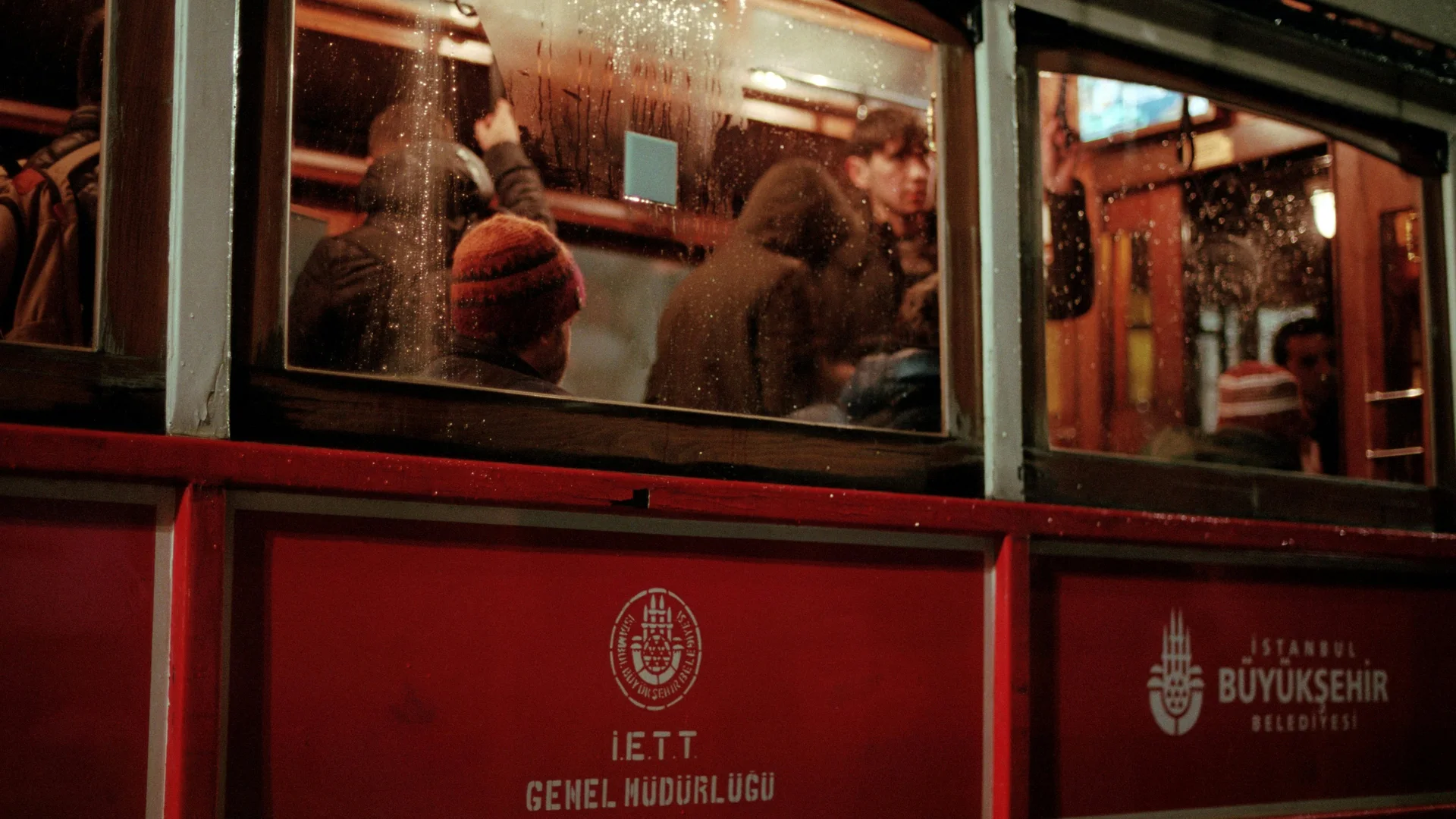
Take a frame occasionally rather than continuously. Comparing a few pictures made several minutes apart makes the changing relationship between the sky and the signs easier to notice. The moment you prefer may come earlier than expected.
Traffic and people help give the scene its scale. A bus passing through can hide most of a building, then reveal it again. Someone waiting to cross may stay still long enough to become the point around which the rest of the picture moves.
Keep the evening in the edit
Night scenes do not need every shadow opened up. Some darkness lets the lights feel bright. Check that the important details are visible, then leave the quieter areas alone if they help the composition.
When the sky has gone, you may want a different picture altogether. Move closer to a window, follow a reflection or put the camera away and continue the walk. The interval you came for can be brief without making the evening feel unfinished.