Every corner has a story
A taxi, a bright facade and the small decisions that give a street its character.

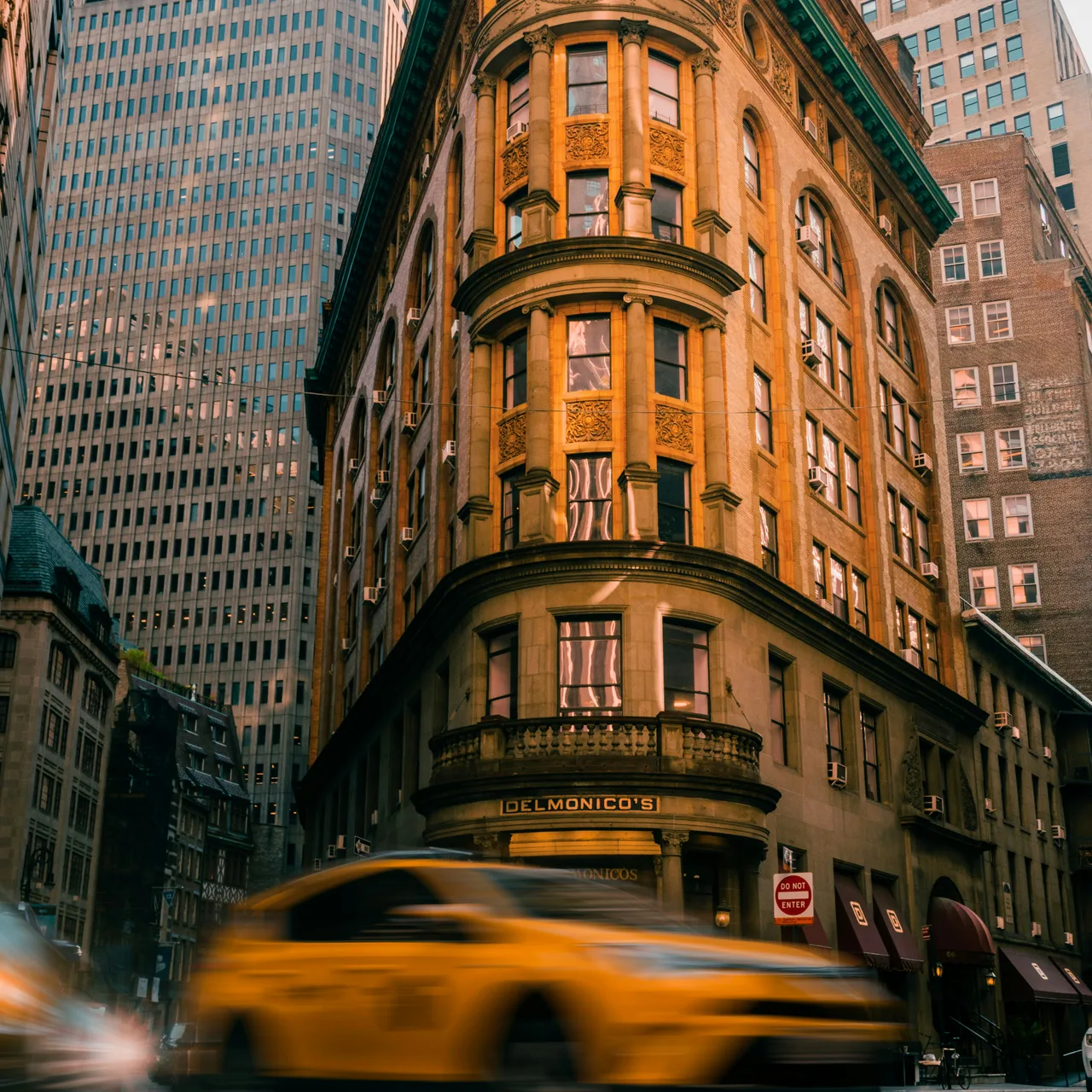
At a corner, a city briefly shows you two versions of itself. One street continues into the distance; another turns out of sight. A building has to address both. Shop signs, windows and traffic gather around that change in direction, making a few metres of pavement unusually busy.
The yellow taxi in this photograph belongs to the street as much as the warm facade behind it. Together they make a patch of colour that you might miss while looking for a more famous building. Most walks contain several such arrangements. They last only until the traffic moves.
Take the ordinary route
There is something useful about walking a street with a small errand in mind. You are part of its daily business, which gives you reasons to stop that have nothing to do with sightseeing. Waiting to cross, checking a shop window and finding the right doorway all change what you notice.
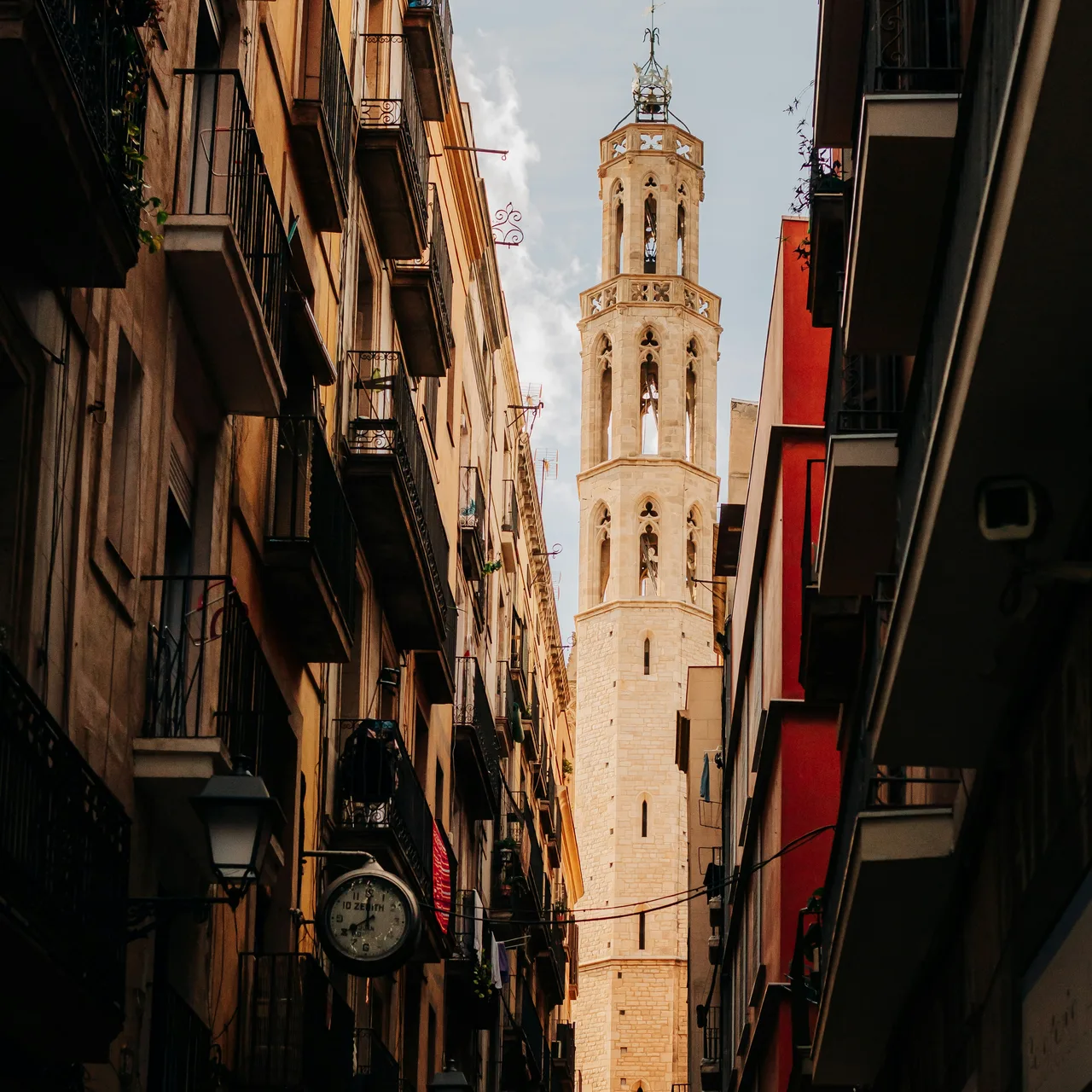
Look above the shopfronts when the pavement gives you room. A different age of the building often begins at the first floor. Window frames, balconies and repairs tell you which parts have remained and which have been adapted. None of them needs to be beautiful to be interesting.
Keep a few small notes
A street name and two or three observations are enough to help you remember a walk. Write down the thing that surprised you, including sounds or smells that a photograph cannot hold. A delivery trolley rattling over stone may stay in the memory longer than a carefully framed doorway.
You do not need to resolve those notes into a grand account of the city. A corner can be worth remembering for the colour of a taxi against a wall, on an otherwise ordinary afternoon.