Making more time for each other
A shared afternoon usually needs less planning than the group chat suggests.
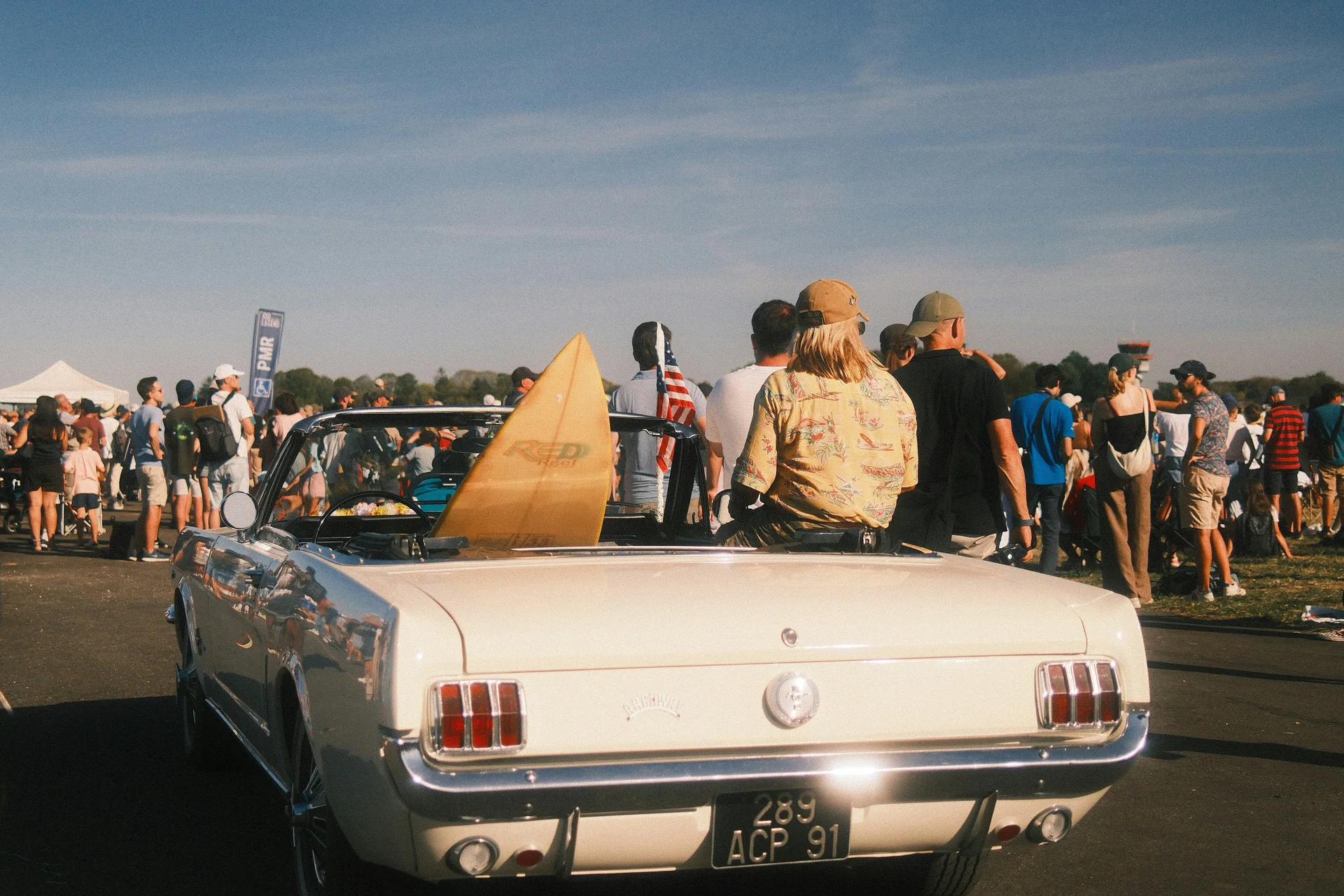
Someone suggests a drive, someone else mentions lunch, and the conversation gradually fills with possible weekends. After a while, arranging the day becomes a larger project than the day itself. A simpler invitation often works better: a place to meet, a rough time to return, and enough flexibility for a slow start.
The pleasure of going somewhere together is partly in the practical details. There is a bag on someone's lap, a disagreement about the music and a stop that takes longer than expected. These small negotiations give the afternoon its character.
Make the plan easy to join
Choose a starting point people can find without a string of messages. Say whether to bring food and whether there will be much walking. A little clarity at the beginning leaves more room for spontaneity later.
It also helps to leave one part of the day unclaimed. Lunch does not have to lead immediately to an activity, and a good conversation need not be cut short because another booking is waiting. If the table is comfortable, order something else and stay.

The afternoon becomes easier when everyone knows they are allowed to enjoy it at their own pace.
Let the photographs happen
A group picture is worth taking, but it need not interrupt the whole day. Ask for one, make it quickly, then put the camera away. There will be other moments that carry more of the group's personality than a carefully arranged line of faces.
Before heading home, make the next invitation small too. A walk after work or a meal at someone's kitchen table can be easier to keep than another ambitious day out. The point is to have a reason to meet again while the conversation is still fresh.