Museums worth getting lost in
One room, one painting and a bench can be enough for a good visit.
A museum map can make an afternoon feel like an examination. There are rooms you have not entered, a special exhibition upstairs and several important works marked with small stars. Before you have looked closely at anything, the building has handed you a list of things to finish.
Choose a smaller visit. Start with the room that interests you, rather than the first room on the suggested route. If a photograph, vessel or painting catches your attention, stay with it for a little while. The label will still be there when you have had a look of your own.
Before reading the label
Notice where your eye goes first. It might be the brightest patch of colour, an awkward hand or a small object near the edge. Then look at the parts you skipped. This simple second pass often changes the picture more than taking another step around the room.
A label can add a date, a material or the name of a place. Let that information sharpen what you have seen. You do not need to memorize it to have spent your time well.

The building is part of the visit
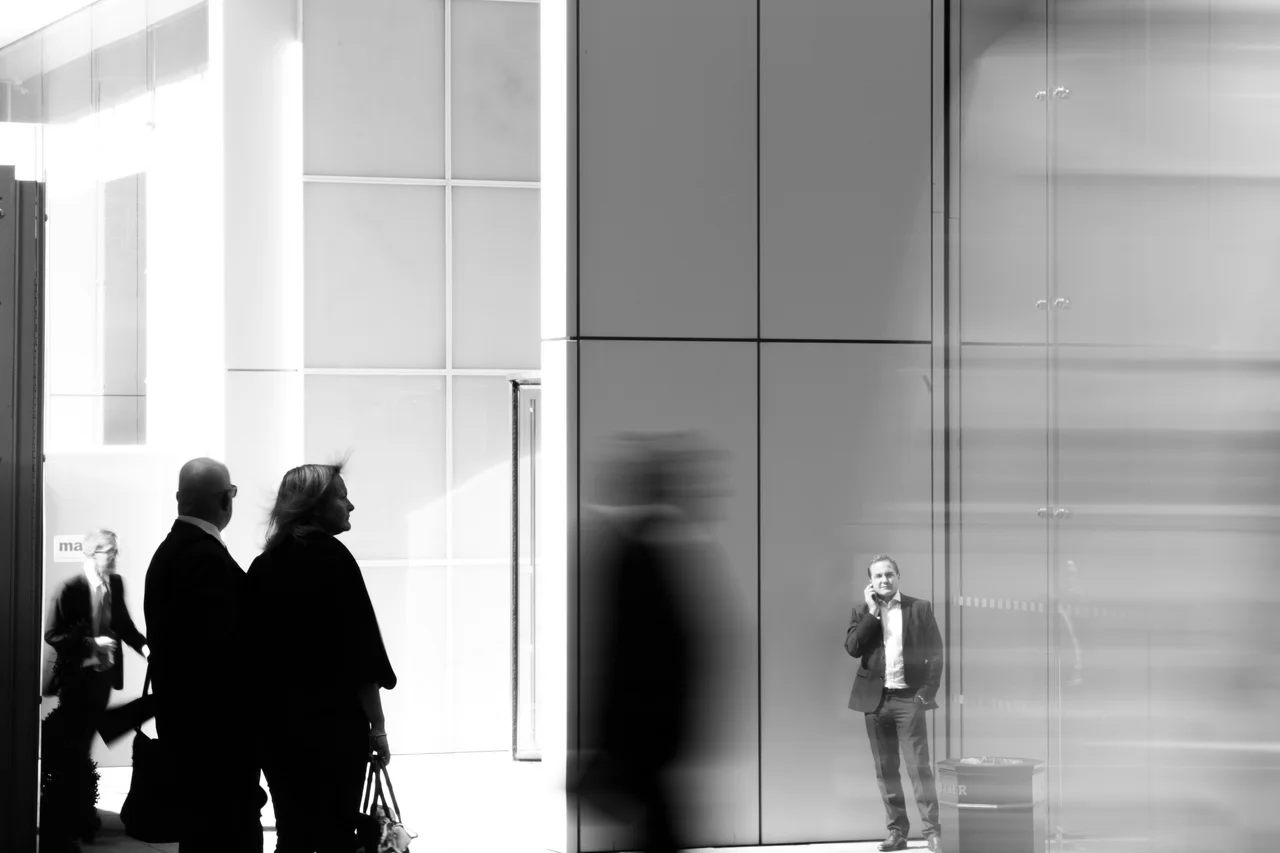
Sit down when you find a bench. From a distance, the room has a composition of its own: doors framing other rooms, people crossing a patch of light, a sculpture seen against a blank wall. Looking from the bench may reveal something that was difficult to see standing directly in front of a work.
Before leaving, return to one thing you liked. The second encounter is different because you know where it is. You can spend less time deciding whether to stop and more time noticing what escaped you before.
A postcard is a useful souvenir if it helps you remember that encounter. Buy the image you want to look at again, even if it was not the most famous work in the building.