Somewhere along the way
The useful photographs are not always the ones made at the destination.
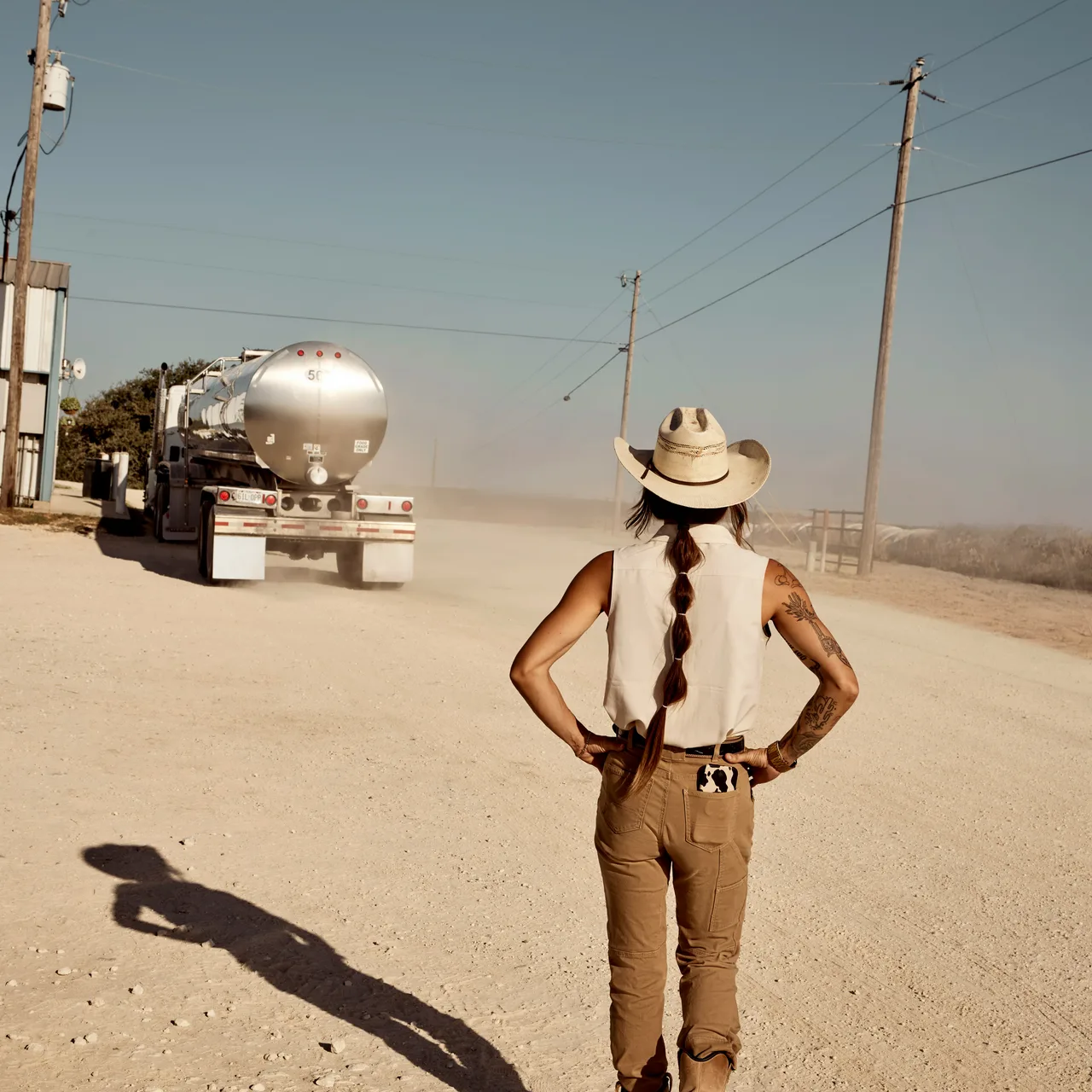
A person in a hat stands beside a vehicle on a dusty road. There is no obvious landmark to announce why this should be the place for a photograph. The scene has the loose, unfinished quality of a journey interrupted for a moment.
Those pictures can become valuable later. They keep the practical parts of travelling in view: the bags, the dust, the people waiting and the vehicle that carried everyone there. A landscape alone might leave all of that out.
Photograph the in-between
Make a few pictures before everything is ready. A jacket being found, a map being folded or a door held open can give a sequence more life than another view of the road ahead. You are looking for something that belongs to the day, rather than a gesture that could have been arranged anywhere.
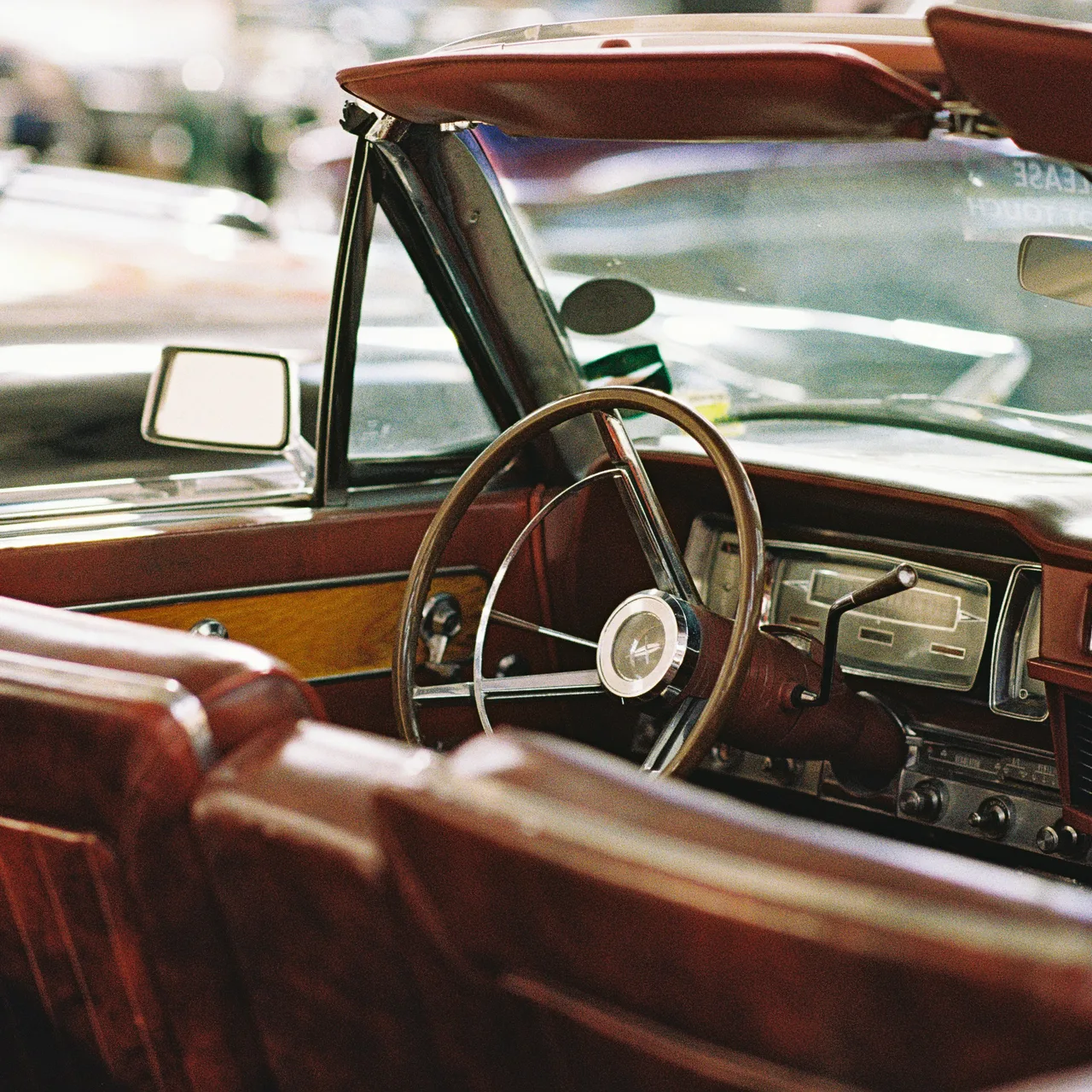
Details work best when they have a relationship to the wider scene. A close view of the steering wheel can follow a picture of the car. A dusty sleeve makes more sense after we have seen the road. You do not need to explain every connection in a caption.
Put the sequence in order later
While travelling, it is often enough to gather a few different distances: one wide view, something closer and a small detail. Looking for a complete story at every stop can make the whole day feel like an assignment.
When you return, lay the pictures out and remove the ones that repeat the same information. A short sequence can suggest a journey without documenting every stage of it.
Keep one of the ordinary pauses if it still catches your attention. It may contain the part of the day that the itinerary could never have told you to look for.