The streets that make us slow down
Narrow passages reward a walking pace and a little attention to the upper floors.

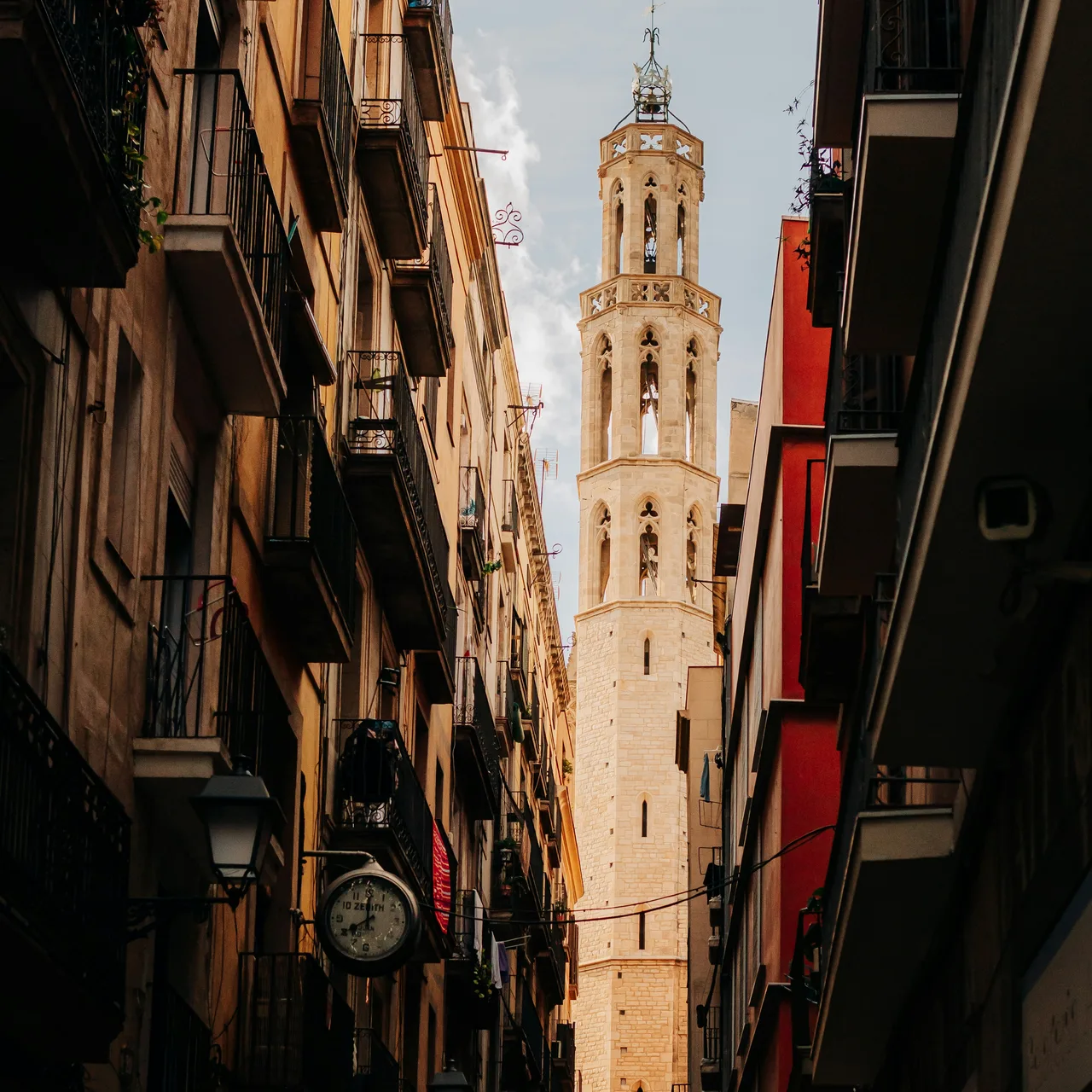
In a narrow street, the buildings take up most of the view. There is only a strip of sky, and the light reaches the pavement in pieces. A doorway or a change in the stone can be enough to interrupt your walk.
Such streets ask for a different kind of attention from a broad avenue. You cannot take in everything from one position. Details appear as you move, then disappear behind a projecting wall or a turn in the lane. The place reveals itself a few steps at a time.
Look where the surfaces meet
A repaired patch of plaster, a worn doorstep and the edge of a shutter can tell you more about daily use than an untouched facade. Look for the places where hands and feet have left marks. They give scale to buildings that might otherwise feel remote.
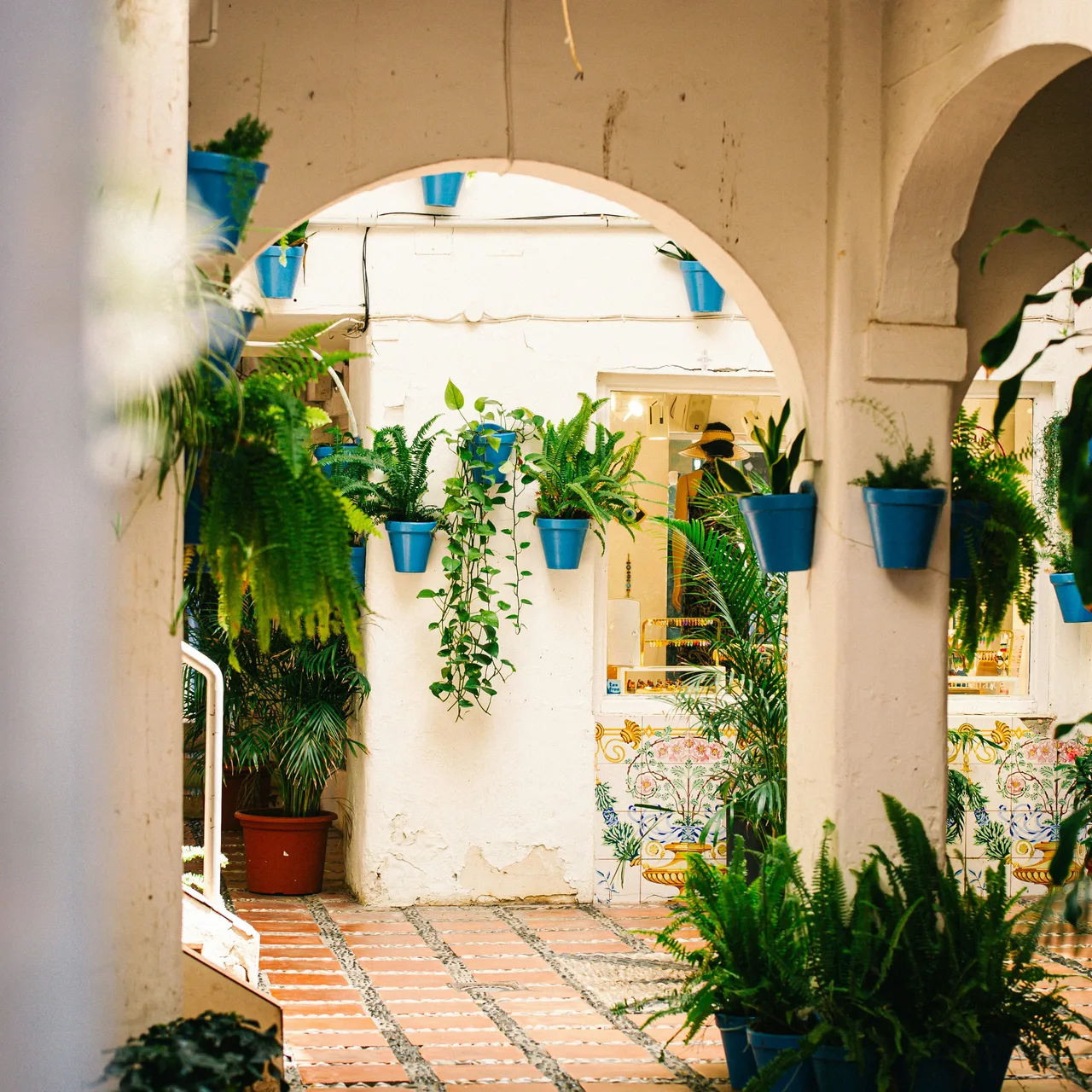
Pause where there is room for others to pass. The street is still a route to somebody's home or workplace, even if you are there to look. Keeping doorways clear and letting a delivery through are small courtesies that also make a walk less hurried.
Keep one wider view
It is easy to come home with a collection of doors and no sense of how they belonged together. Before leaving, make a photograph that includes the street's direction, a little pavement and something that explains its scale. A person at a distance or an open window may be enough.
The wider frame gives the details a place to live. Later, when you look at the worn step or the shutter, you can remember the short walk between them. That relationship is often what makes an ordinary street stay with you.