The work behind the everyday
A working place deserves time, curiosity and room for people to carry on.

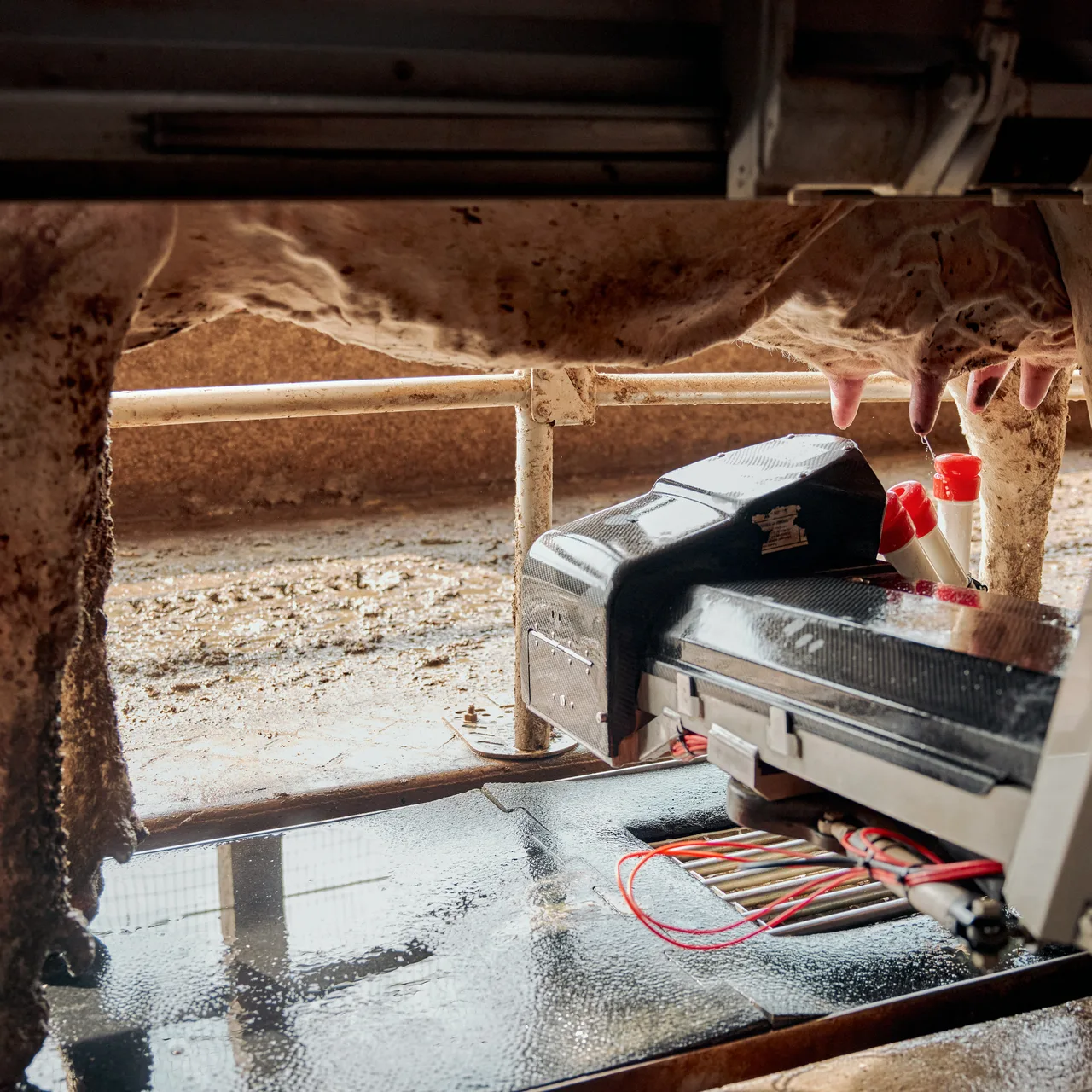
The vehicle fills much of the barn, but the smaller details explain the setting: feed on the floor, animals along the side and a route left clear for the next movement. The scene is organised around work rather than around a visitor's view.
Photographing a place like this begins with accepting that you are not its centre. Someone knows what needs to happen next, which areas are clear and where an unfamiliar person will be in the way. Ask, listen and let that knowledge guide where you stand.
Understand one small task
You do not have to understand an entire trade to make a thoughtful picture. Begin with the activity in front of you. What is being moved? Where will it go? Which part requires someone's attention? A few simple questions can prevent a photograph from reducing work to an attractive background.
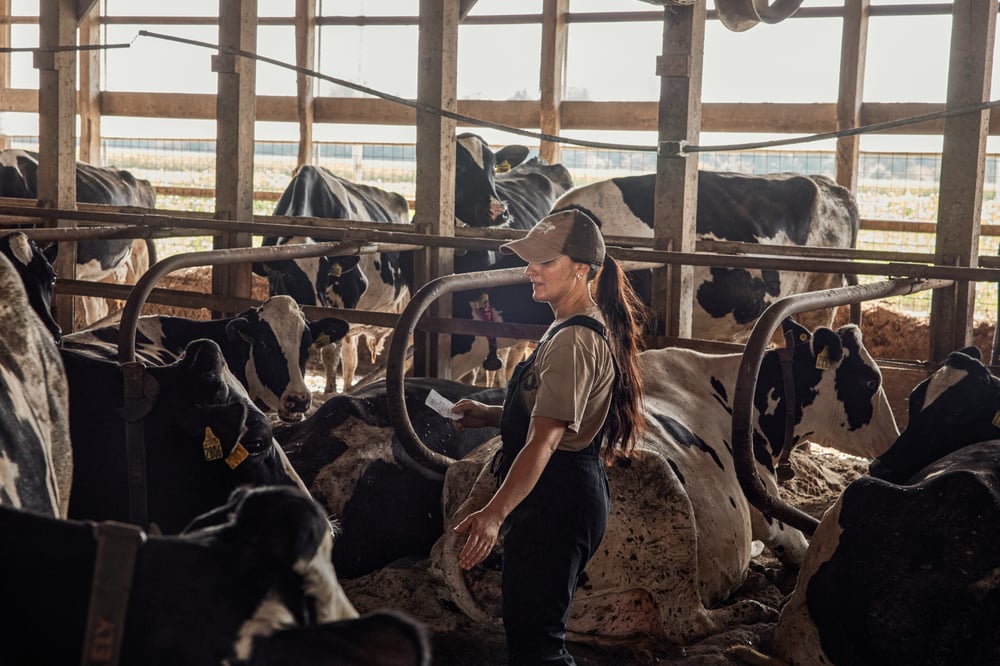
If a portrait is welcome, make room for the person to choose how they are shown. A pause beside a familiar part of the workplace may feel more comfortable than a pose invented for the camera. Avoid asking someone to repeat a difficult or inconvenient action just because you missed it.
The work continues before and after the photograph.
Details can carry useful information: a tool set within reach, a repaired surface or a repeated mark on the floor. Keep enough context for those things to remain intelligible. A collection of textures alone may look attractive while saying very little about the people who use the place.
Before leaving, explain what you intend to do with the photographs and how you will share them with the people involved. That conversation belongs to the work of making the pictures, even though it will never appear inside the frame.